Where does the reptile hide?
Shade, burrows, bark pockets, grass edges, mud banks, and root tangles often matter more than the broad biome name.
Habitats
Habitat pages work best when they help readers connect climate, shelter, water, movement, and exposure. A reptile makes much more sense once you understand the place it is built for.
Best use:
Start here when you want to compare environment types before jumping into species or care details.
Main rule:
Think in terms of usable microhabitats, not just big labels like desert or rainforest.
Shade, burrows, bark pockets, grass edges, mud banks, and root tangles often matter more than the broad biome name.
Basking surfaces, filtered sun, open rock, branch angles, and water-edge exposure shape how reptiles regulate body temperature.
Travel routes, escape cover, shoreline breaks, canopy paths, and nesting access all affect how a habitat actually works.
Good habitat reading includes heat swings, storms, flooding, fog, drought, and the daily shift between exposure and retreat.
Useful when you want to compare basking exposure, retreat shade, burrowing options, and the difference between hot open ground and survivable shelter.

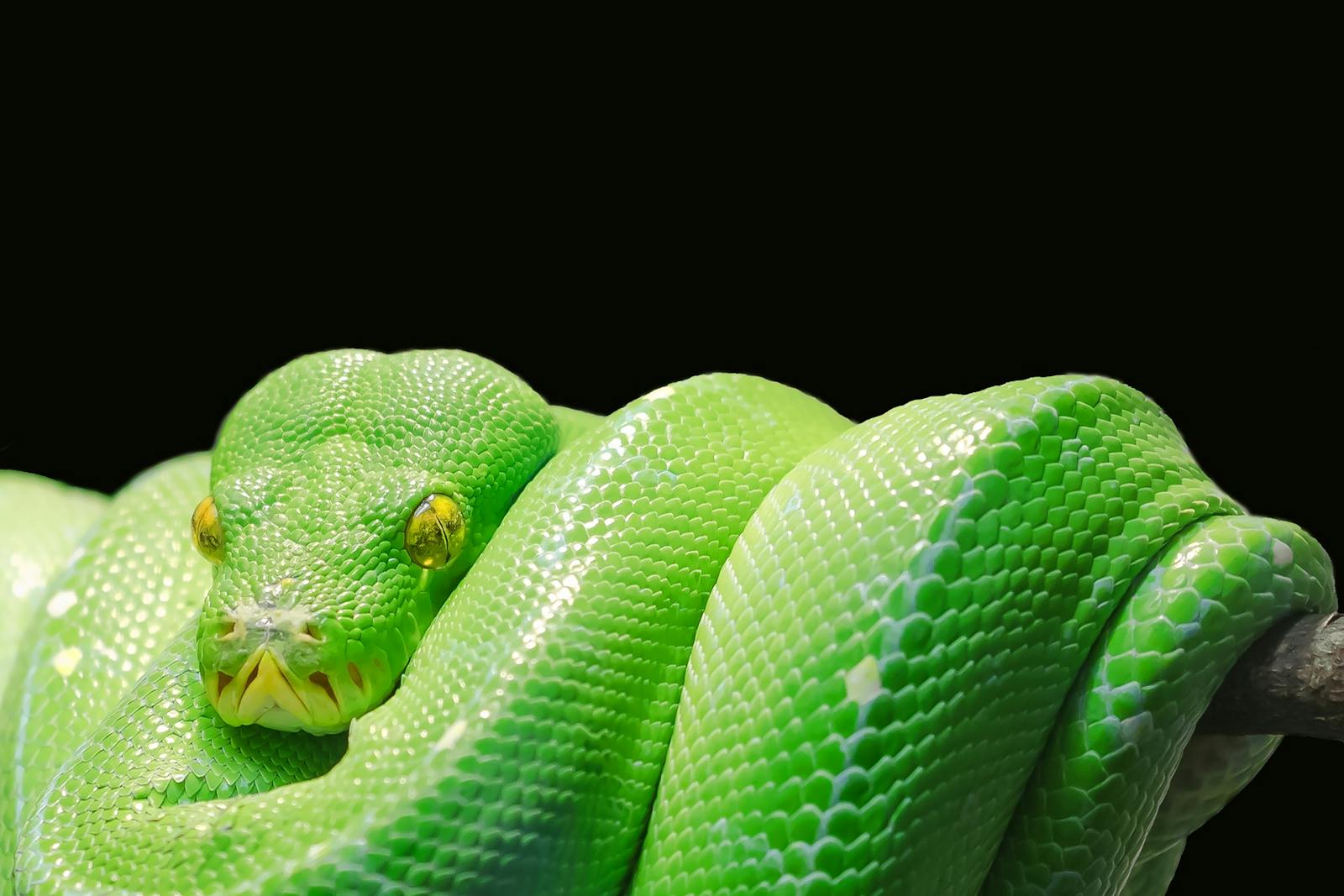
Best when height, filtered light, branch structure, humidity balance, and hidden movement paths matter more than floor area.
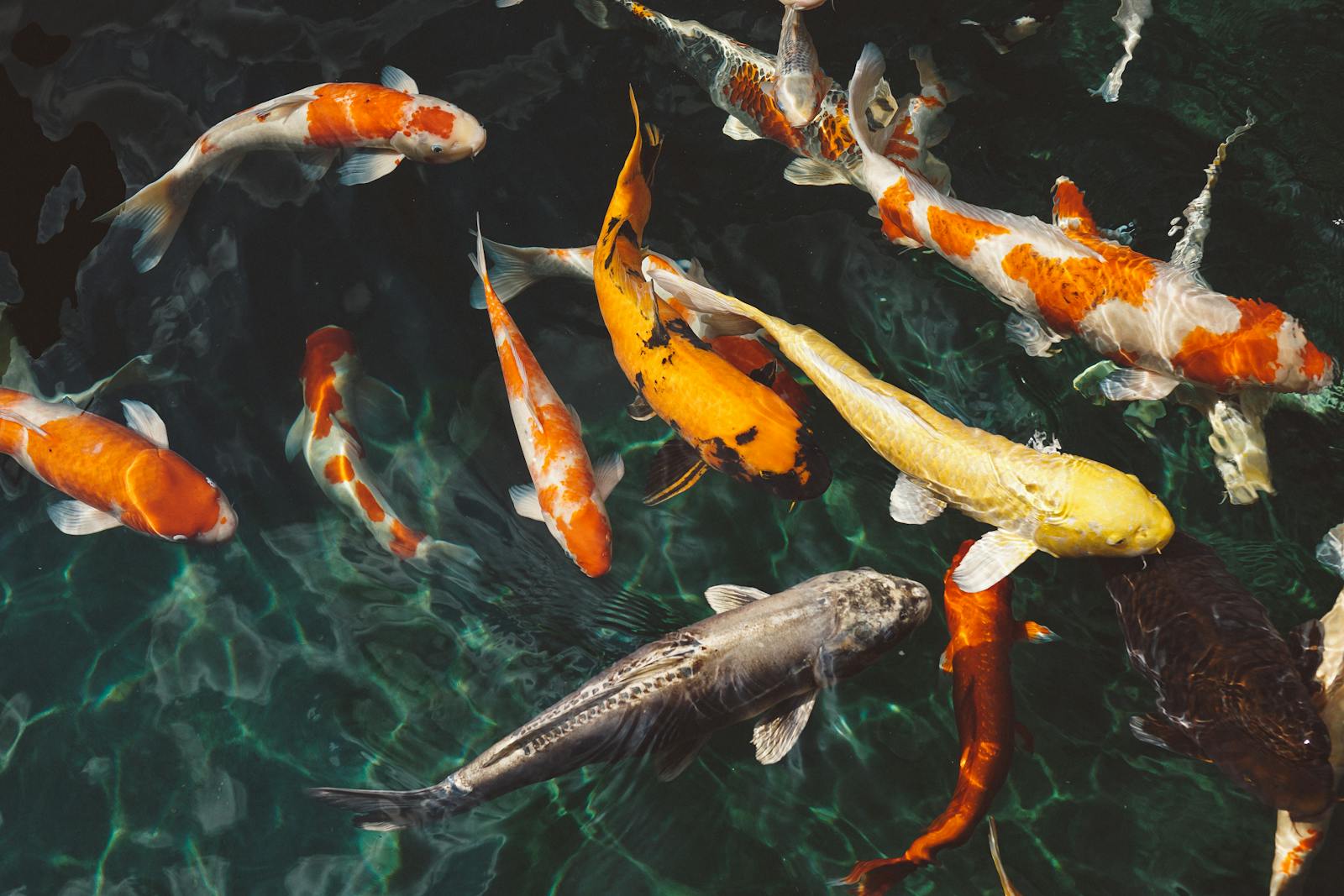
Best for understanding basking banks, nesting edges, haul-out points, flood pulses, and the pressure that comes with human access to water.
Habitat thinking is one of the fastest ways to make both captive care and wild-population pages less shallow. It gives readers a bridge between species facts and real environmental logic.
Even hot, exposed environments depend on cooler pockets, underground retreat zones, dawn activity, and smarter use of shade than people expect.
Water quality, bank access, nesting zones, current, and haul-out structure can matter as much as humidity readings.
Height, perch security, filtered light, cover, and air movement often matter more than broad temperature averages.
The next step is to build stronger route pages for dryland, arboreal, semi-aquatic, and burrowing species instead of leaving the structure broad.
More direct connections from habitat types to representative species would make the hub more browsable and useful.
Adding more dry-season, flood-season, and elevation differences would make the page feel even less generic.