Compare by reptile type
Snakes, lizards, turtles, tortoises, geckos, and crocodilians often look comparable at a glance, but the care and habitat logic can differ a lot.
Species library
This is the biggest section of Reptile Atlas. The goal is not only to host a lot of species pages, but to give readers a workable way to move from broad browsing into habitat, diet, health, and conservation detail.
How it works:
Most species have one overview page plus four companion pages that cover habitat, diet, health, and conservation.
Best use:
Start with an overview, then open the companion page that answers the decision you actually care about.
Snakes, lizards, turtles, tortoises, geckos, and crocodilians often look comparable at a glance, but the care and habitat logic can differ a lot.
Arboreal height, UVB demand, water access, digging depth, and adult size usually matter more than surface popularity.
Habitat Blueprint, Diet Matrix, Health Audit, and Conservation Brief pages are there to split key questions apart instead of stacking everything into one shallow overview.
Some species entries are still stronger than others, so the hub should help readers browse intelligently instead of assuming every page is equally mature.
If you are new to reptile browsing, the easiest path is to compare a small number of species that share one broad lifestyle, then branch into care or conservation once the differences start to matter.

Use this when you want to understand enclosure logic, space use, humidity balance, climbing, burrowing, or water design.
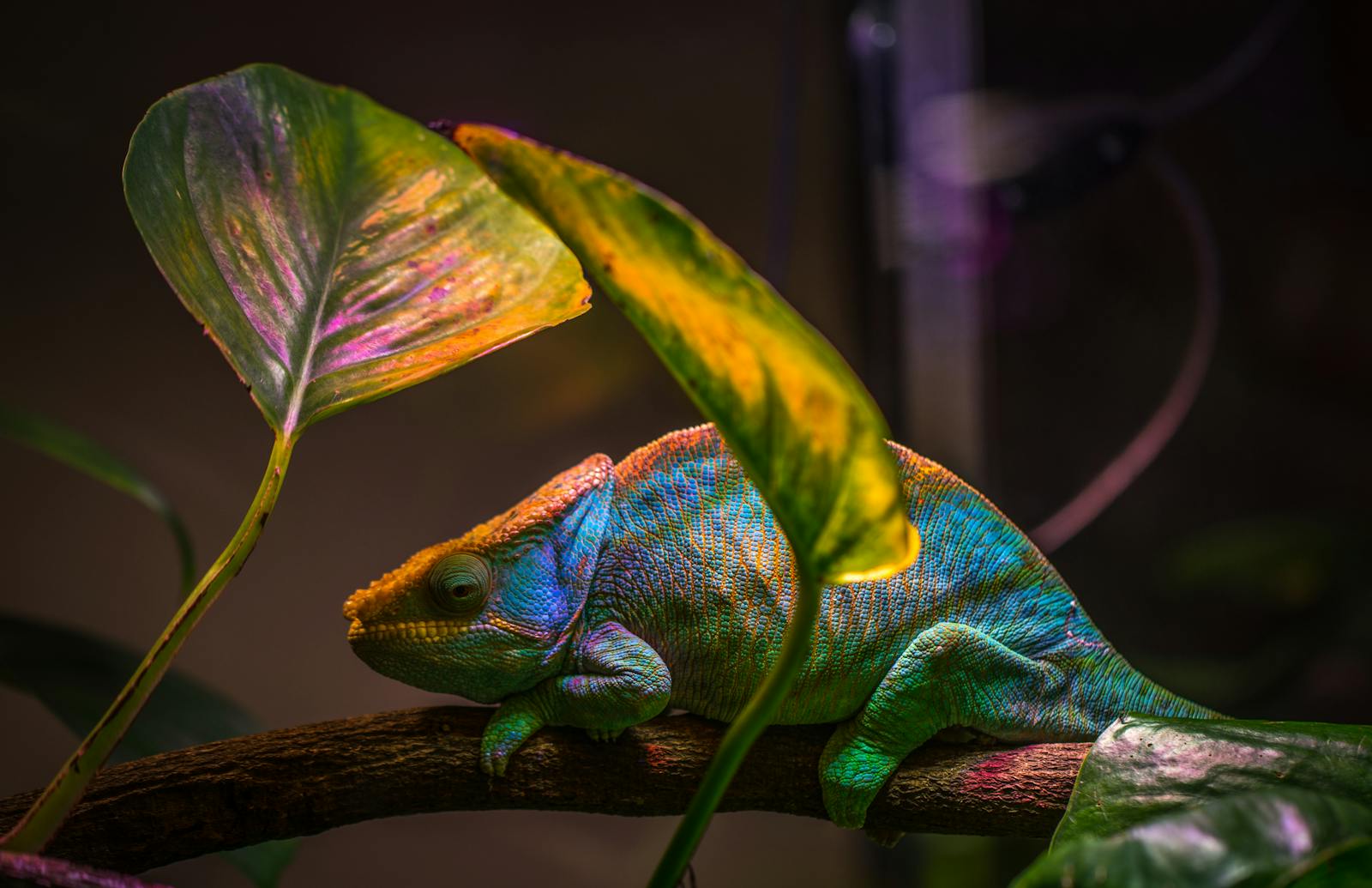
Use this when you want feeding structure, prey or plant emphasis, supplementation questions, and routine comparison.
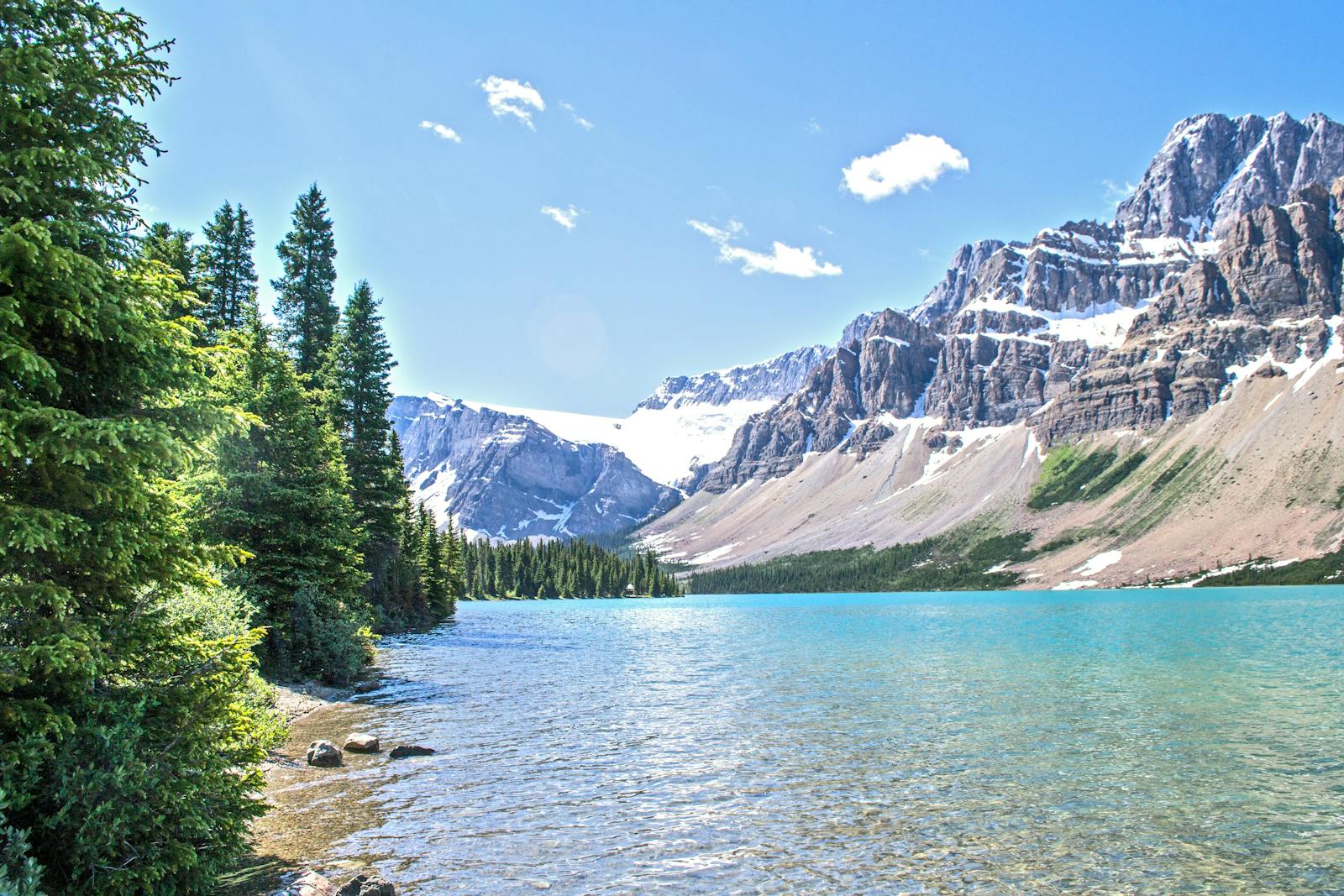
Use this for observation priorities, common trouble signals, and the kind of note-taking that helps before problems become emergencies.
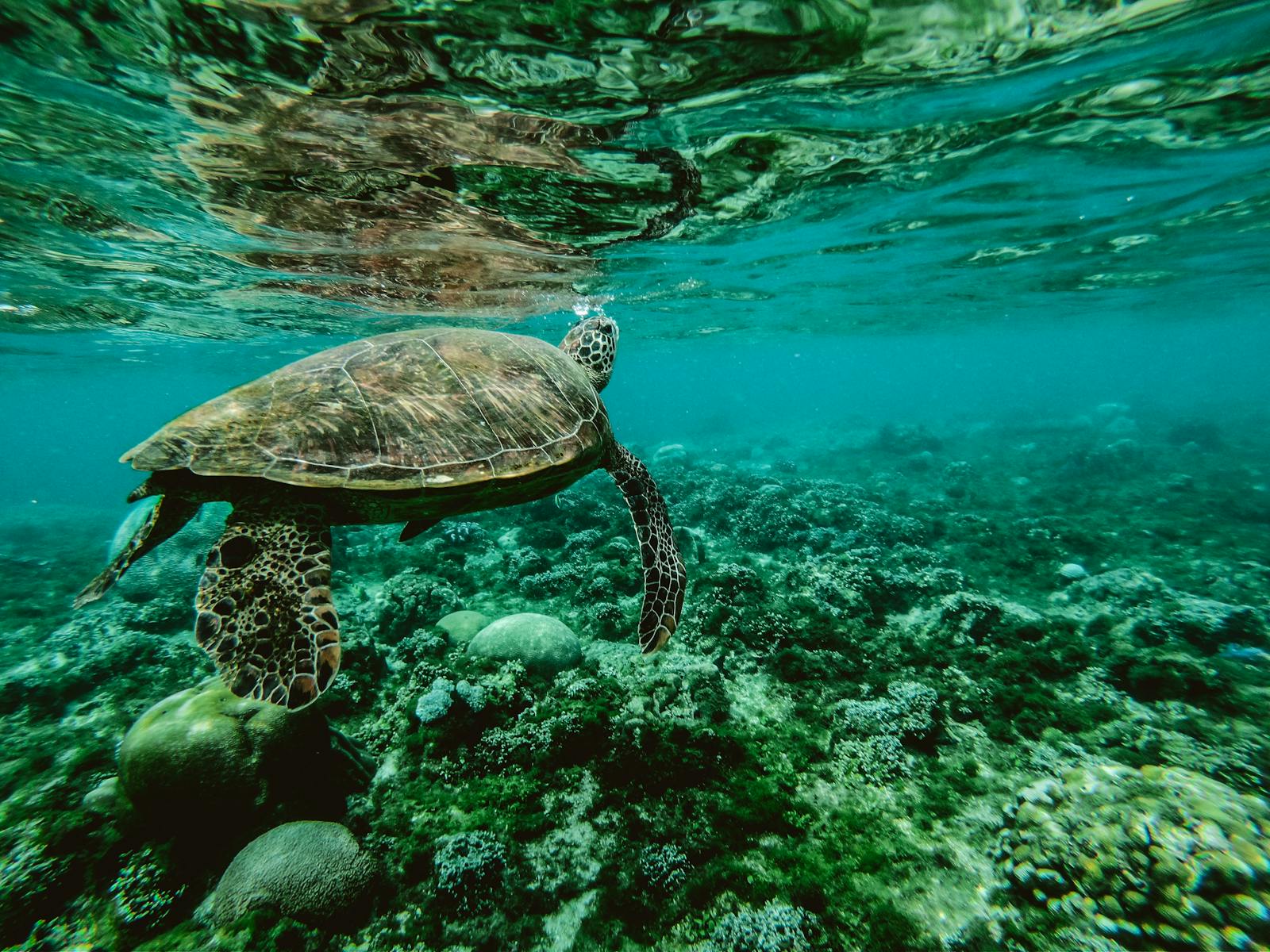
Use this when you want quick context on wild range, habitat pressure, collection risk, and broader conservation relevance.
If you do not want to dive straight into hundreds of species names, start with one of these browsing routes first. They frame the library around enclosure pressure, habitat logic, and comparison questions people actually have.
Start here if you care most about climbing structure, usable height, humidity balance, and how reptiles move through layered cover.
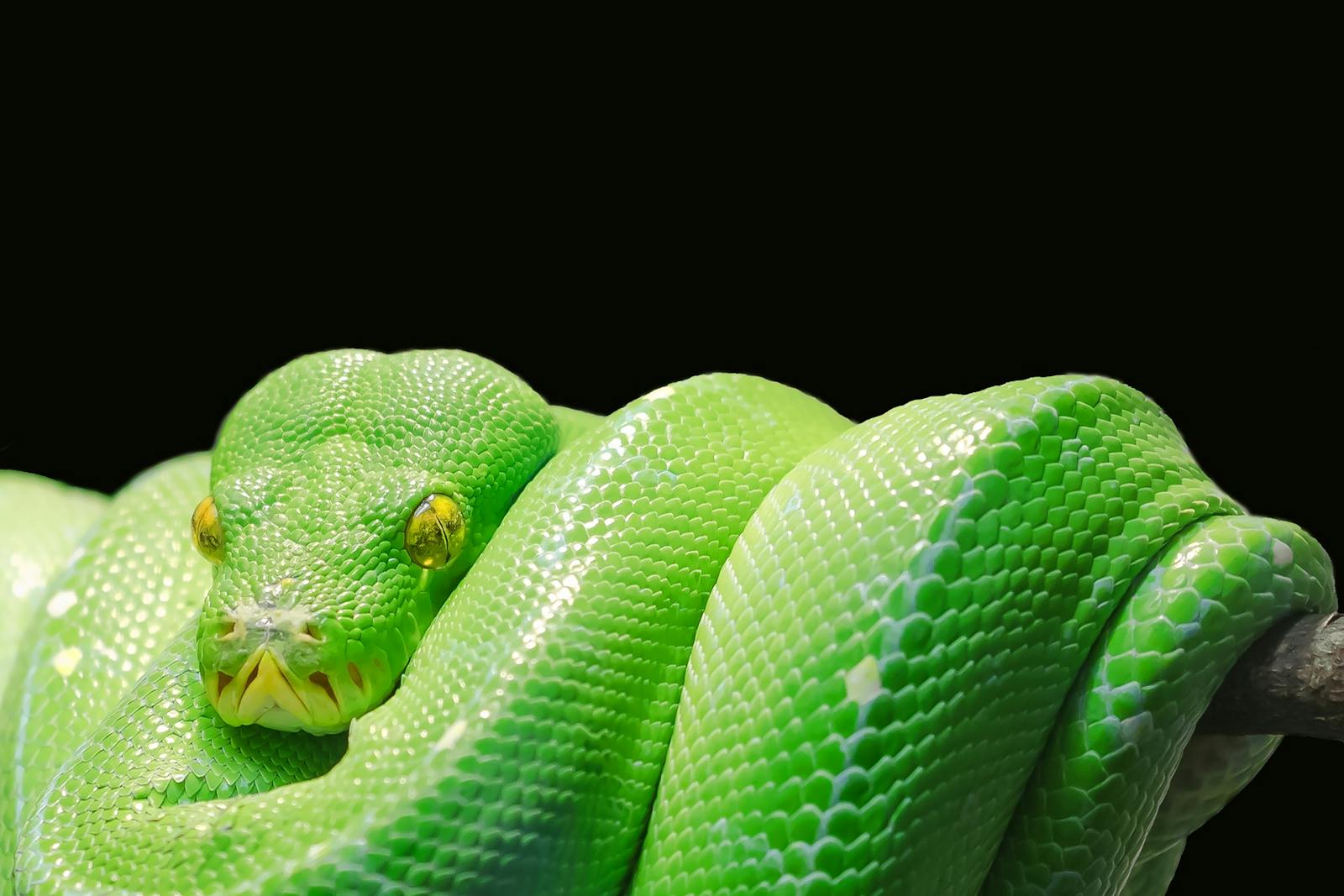
Useful when you want to compare basking pressure, burrowing or retreat needs, hydration risk, and exposure to heat swings.
Best for comparing shoreline use, haul-out needs, filtration pressure, basking access, and larger water-linked enclosures.
Reptile Atlas now has dedicated route pages for beginner-fit reptiles, vertical setups, water-heavy setups, dryland reptiles, space realism, and observation-first species. If you are still too early in the decision, those route pages are usually a better next step than raw alphabetical browsing.
Some species summaries are more vivid and specific than others, so consistency still needs work.
The comparison-route layer is now live and should keep growing into more specific species tie-ins instead of forcing raw alphabetical browsing first.
Featured species groups, beginner-safe routes, and habitat-based browsing would make the library feel much less directory-like.
The strongest species pages should eventually lead into richer themed content, not just stop at the page itself.
The full alphabetical grid still matters, especially for long-tail species discovery. It just works better when it sits under a clearer browsing frame.
Abronia graminea
Abronia Alligator Lizard is a watchful lizard that basks openly when secure, then retreats quickly into cover when disturbed.
Range: eastern Mexico
Varanus acanthurus
Ackie Monitor is a watchful lizard that basks openly when secure, then retreats quickly into cover when disturbed.
Range: Northern Australia
Pelusios nanus
Very small side-neck turtle; shy; spends time in shallow water and mud.
Range: Central Africa
Hemitheconyx caudicinctus
African Fat-tailed Gecko is a watchful lizard that basks openly when secure, then retreats quickly into cover when disturbed.
Range: West Africa
Dendroaspis angusticeps
Arboreal, fast, highly venomous; typically shy but defensive when cornered.
Range: East and southern Africa coasts
Boaedon fuliginosus
African House Snake is an alert snake that relies on cover, thermal gradients, and ambush or active foraging depending on conditions.
Range: sub-Saharan Africa
Agama planiceps
Diurnal basker; vivid breeding colors in males; territorial displays.
Range: Southern Africa
Python sebae
African Rock Python is an alert snake that relies on cover, thermal gradients, and ambush or active foraging depending on conditions.
Range: Sub-Saharan Africa
Trionyx triunguis
African Softshell Turtle alternates between feeding and sheltering sites, using basking or haul-out periods to regulate body temperature.
Range: Africa, Middle East, Turkey
Centrochelys sulcata
African Spurred Tortoise follows a steady daily loop of basking, grazing, and shelter use, with activity shifting around heat and humidity.
Range: Across the southern edge of the Sahara
Macrochelys temminckii
Alligator Snapping Turtle alternates between feeding and sheltering sites, using basking or haul-out periods to regulate body temperature.
Range: Southeastern United States
Corallus hortulanus
Arboreal constrictor with varied color morphs; defensive when stressed; nocturnal hunter.
Range: Amazon Basin
Alligator mississippiensis
American Alligator spends long periods resting near water before sudden bursts of movement for basking, defense, or ambush feeding.
Range: Southeastern United States
Crocodylus acutus
Salt-tolerant crocodile; often in brackish waters; shy to defensive.
Range: Americas (Florida to South America)
Python anchietae
Angolan Python is an alert snake that relies on cover, thermal gradients, and ambush or active foraging depending on conditions.
Range: Southern Angola and northern Namibia
Eryx jayakari
Fossorial boa; spends time buried with eyes exposed; slow-moving.
Range: Arabian Peninsula
Salvator merianae
Argentine Black and White Tegu is a watchful lizard that basks openly when secure, then retreats quickly into cover when disturbed.
Range: Argentina, Brazil, Uruguay, Paraguay
Ouroborus cataphractus
Heavily armored; rolls into a ball biting tail when threatened; social in crevices.
Range: Western South Africa
Podocnemis expansa
Arrau River Turtle alternates between feeding and sheltering sites, using basking or haul-out periods to regulate body temperature.
Range: Amazon and Orinoco basins
Manouria emys
Asian Forest Tortoise follows a steady daily loop of basking, grazing, and shelter use, with activity shifting around heat and humidity.
Range: Southeast Asia
Ahaetulla prasina
Slender arboreal rear-fanged snake; mild venom; cryptic green coloration.
Range: South and Southeast Asia
Varanus salvator
Asian Water Monitor is a watchful lizard that basks openly when secure, then retreats quickly into cover when disturbed.
Range: South and Southeast Asia
Petrosaurus thalassinus
Alert cliff-dwelling lizard that sprints across hot rock faces, basks openly, and darts into cracks when disturbed.
Range: Baja California, Mexico
Mauremys rivulata
Basking turtle; tolerates brackish water; wary and quick to dive.
Range: Balkans, Turkey, Levant
Python regius
Ball Python is an alert snake that relies on cover, thermal gradients, and ambush or active foraging depending on conditions.
Range: West and Central Africa
Bungarus fasciatus
Banded Krait is an alert snake that relies on cover, thermal gradients, and ambush or active foraging depending on conditions.
Range: South and Southeast Asia
Laticauda colubrina
Amphibious sea snake; highly venomous; forages in water, rests on land.
Range: Indo-Pacific
Tetracheilostoma carlae
One of the world�s smallest snakes; fossorial; seldom seen above ground.
Range: Barbados
Graptemys barbouri
Barbour's Map Turtle alternates between feeding and sheltering sites, using basking or haul-out periods to regulate body temperature.
Range: Southeastern United States (Apalachicola/Flint systems)
Melanosuchus niger
Black Caiman spends long periods resting near water before sudden bursts of movement for basking, defense, or ambush feeding.
Range: Amazon Basin
Dendroaspis polylepis
Black Mamba is an alert snake that relies on cover, thermal gradients, and ambush or active foraging depending on conditions.
Range: Sub-Saharan Africa
Ctenosaura similis
Black Spiny-tailed Iguana is a watchful lizard that basks openly when secure, then retreats quickly into cover when disturbed.
Range: Central America
Naja nigricincta
Can spit venom; nervous and defensive; nocturnal tendencies.
Range: Namibia and Angola
Varanus beccarii
Black Tree Monitor is a watchful lizard that basks openly when secure, then retreats quickly into cover when disturbed.
Range: Aru Islands, Indonesia
Lachesis melanocephala
Large, rare pit viper; potent venom; shy but dangerous when provoked.
Range: Costa Rica
Aspidites melanocephalus
Black-headed Python is an alert snake that relies on cover, thermal gradients, and ambush or active foraging depending on conditions.
Range: Northern Australia
Graptemys nigrinoda
Basking map turtle with spiky keels; shy; sexually dimorphic head size.
Range: Alabama river systems
Crotalus molossus
Black-tailed Rattlesnake is an alert snake that relies on cover, thermal gradients, and ambush or active foraging depending on conditions.
Range: Southwestern U
Varanus albigularis ionidesi
Large terrestrial monitor; powerful digger; can be defensive; intelligent.
Range: East Africa (Tanzania)
Python brongersmai
Blood Python is an alert snake that relies on cover, thermal gradients, and ambush or active foraging depending on conditions.
Range: Sumatra and surrounding islands
Orthriophis taeniurus callicyanous
Large, fast climber with blue coloration; can be defensive; strong constrictor.
Range: Vietnam and Laos
Cyclura lewisi
Blue Iguana is a watchful lizard that basks openly when secure, then retreats quickly into cover when disturbed.
Range: Grand Cayman
Sceloporus cyanogenys
Diurnal basker with blue throat/belly patches; territorial; fast climber.
Range: Texas and Northeast Mexico
Varanus macraei
Arboreal, striking blue monitor; fast and shy; uses tail for balance and defense.
Range: Batanta Island, Indonesia
Tiliqua scincoides intermedia
Blue-tongued Skink (Northern) is a watchful lizard that basks openly when secure, then retreats quickly into cover when disturbed.
Range: Northern Australia
Boa constrictor
Boa Constrictor is an alert snake that relies on cover, thermal gradients, and ambush or active foraging depending on conditions.
Range: Central and South America
Dispholidus typus
Slender arboreal rear-fanged snake with excellent vision; often freezes among branches but can inflate the neck and strike when threatened.
Range: Sub-Saharan Africa
Lanthanotus borneensis
Borneo Earless Monitor is a watchful lizard that basks openly when secure, then retreats quickly into cover when disturbed.
Range: Borneo
Python breitensteini
Heavy, secretive constrictor; can be defensive; spends time in burrows and leaf litter.
Range: Borneo
Epicrates cenchria
Brazilian Rainbow Boa is an alert snake that relies on cover, thermal gradients, and ambush or active foraging depending on conditions.
Range: Amazon Basin
Plestiodon laticeps
Arboreal-leaning skink; males develop orange heads in breeding season; can drop tail.
Range: Southeastern United States
Lampropeltis getula brooksi
Ophiophagous kingsnake; variable color; can musk when stressed.
Range: Florida
Basiliscus vittatus
Runs on water; fast and skittish; males have crests; semi-arboreal near water.
Range: Central America; introduced in Florida
Boaedon capensis
Nocturnal rodent-hunter; calm temperament; commonly kept.
Range: Sub-Saharan Africa
Boiga irregularis
Rear-fanged, nocturnal arboreal snake; invasive populations decimate island birds; mildly venomous to humans.
Range: Northern Australia, PNG; invasive on Guam and other islands
Pituophis catenifer sayi
Bullsnake is an alert snake that relies on cover, thermal gradients, and ambush or active foraging depending on conditions.
Range: Central North America
Nilssonia formosa
Large softshell; shy; buries in sand; powerful bite.
Range: Myanmar
Python bivittatus
Burmese Python is an alert snake that relies on cover, thermal gradients, and ambush or active foraging depending on conditions.
Range: Southeast Asia
Batagur trivittata
Burmese Roofed Turtle alternates between feeding and sheltering sites, using basking or haul-out periods to regulate body temperature.
Range: Myanmar
Geochelone platynota
Burmese Star Tortoise follows a steady daily loop of basking, grazing, and shelter use, with activity shifting around heat and humidity.
Range: Myanmar
Lachesis muta
Large nocturnal pit viper that patrols forest floor ambush routes; typically avoids contact but defends itself forcefully if cornered.
Range: Amazon and Central American rainforests
Dracaena guianensis
Caiman Lizard is a watchful lizard that basks openly when secure, then retreats quickly into cover when disturbed.
Range: Northern South America
Calabaria reinhardtii
Fossorial python; two-headed mimic with thick tail; shy and gentle.
Range: West and Central Africa
Lampropeltis californiae
California Kingsnake is an alert snake that relies on cover, thermal gradients, and ambush or active foraging depending on conditions.
Range: Western United States and northern Mexico
Pelochelys cantorii
Massive softshell turtle; ambush predator buried in sand.
Range: Southeast Asia
Naja nivea
Highly venomous cobra; variable color; diurnal; may enter buildings.
Range: Southern Africa
Furcifer lateralis
Small, colorful chameleon; short-lived; easily stressed by poor ventilation.
Range: Madagascar
Morelia spilota
Carpet Python is an alert snake that relies on cover, thermal gradients, and ambush or active foraging depending on conditions.
Range: Australia and New Guinea
Pogona vitticeps
Central Bearded Dragon is a watchful lizard that basks openly when secure, then retreats quickly into cover when disturbed.
Range: Central Australia
Antaresia childreni
Children's Python is an alert snake that relies on cover, thermal gradients, and ambush or active foraging depending on conditions.
Range: Northern Australia
Cuora flavomarginata
Terrestrial/semiaquatic box turtle; shy; crepuscular; burrows in leaf litter.
Range: China, Taiwan, Ryukyu Islands
Shinisaurus crocodilurus
Chinese Crocodile Lizard is a watchful lizard that basks openly when secure, then retreats quickly into cover when disturbed.
Range: southern China and northern Vietnam
Pelodiscus sinensis
Chinese Softshell Turtle alternates between feeding and sheltering sites, using basking or haul-out periods to regulate body temperature.
Range: East Asia
Physignathus cocincinus
Chinese Water Dragon is a watchful lizard that basks openly when secure, then retreats quickly into cover when disturbed.
Range: Southern China, Vietnam, Laos, Thailand
Sauromalus ater
Heavy-bodied desert lizard that basks on rocks and wedges itself into crevices by inflating the body when threatened.
Range: Southwestern United States and Mexico
Terrapene coahuila
Aquatic box turtle; spends most time in water; very limited range.
Range: Cuatro Ci�negas, Mexico
Oxyuranus scutellatus
Extremely venomous, fast-moving elapid; diurnal/crepuscular hunter; shy but defensive when cornered.
Range: Northern/eastern Australia, Papua New Guinea
Basiliscus basiliscus
Runs on water, fast and skittish; strong crests on males; semi-arboreal.
Range: Central America
Vipera berus
Cold-tolerant viper; gives live birth; mild to moderate venom; shy but defensive when disturbed.
Range: Europe and parts of Asia
Bungarus caeruleus
Nocturnal, highly venomous; mild by day, defensive at night; neurotoxic venom.
Range: Indian subcontinent
Sternotherus odoratus
Common Musk Turtle alternates between feeding and sheltering sites, using basking or haul-out periods to regulate body temperature.
Range: Eastern North America
Sternotherus odoratus (Florida)
Bottom-walker; rarely basks; emits musk when threatened; locality noted.
Range: Florida populations
Chelydra serpentina
Common Snapping Turtle alternates between feeding and sheltering sites, using basking or haul-out periods to regulate body temperature.
Range: North America east of the Rockies
Pantherophis guttatus
Corn Snake is an alert snake that relies on cover, thermal gradients, and ambush or active foraging depending on conditions.
Range: Southeastern United States
Agkistrodon piscivorus
Semi-aquatic pit viper; gapes mouth in threat display; strong swimmer.
Range: Southeastern United States
Correlophus ciliatus
Crested Gecko is a watchful lizard that basks openly when secure, then retreats quickly into cover when disturbed.
Range: New Caledonia
Varanus salvadorii
Crocodile Monitor is a watchful lizard that basks openly when secure, then retreats quickly into cover when disturbed.
Range: New Guinea
Pholidoscelis auberi
Active diurnal lizard; tail autotomy; wary of handling.
Range: Cuba
Chilabothrus angulifer
Large constrictor; hunts bats at cave entrances; semi-arboreal when young.
Range: Cuba
Crocodylus rhombifer
Cuban Crocodile spends long periods resting near water before sudden bursts of movement for basking, defense, or ambush feeding.
Range: Zapatas Swamp and Isle of Youth, Cuba
Cyclura nubila
Cuban Rock Iguana is a watchful lizard that basks openly when secure, then retreats quickly into cover when disturbed.
Range: Cuba and nearby islands
Paleosuchus palpebrosus
Cuvier’s Dwarf Caiman spends long periods resting near water before sudden bursts of movement for basking, defense, or ambush feeding.
Range: Amazon and Orinoco basins
Dipsosaurus dorsalis
Heat-tolerant diurnal lizard; burrows; fast runner.
Range: Southwestern United States and Northern Mexico
Gopherus agassizii
Burrowing tortoise; active in cooler spring/fall; estivates in heat; long-lived.
Range: Southwestern United States and Northwestern Mexico
Malaclemys terrapin
Brackish-water turtle that cruises tidal creeks and marsh edges, crushing shellfish with strong jaws and basking near estuary channels.
Range: Atlantic and Gulf coasts of the United States
Boiga cynodon
Large rear-fanged arboreal snake; powerful constriction; mildly venomous.
Range: Southeast Asia
Acrantophis dumerili
Dumeril’s Boa is an alert snake that relies on cover, thermal gradients, and ambush or active foraging depending on conditions.
Range: Madagascar
Paleosuchus trigonatus
Dwarf Caiman (Schneider's) spends long periods resting near water before sudden bursts of movement for basking, defense, or ambush feeding.
Range: Amazon and Orinoco basins
Osteolaemus tetraspis
Small, shy crocodilian; mostly nocturnal; hides in burrows; strongly aquatic.
Range: West and Central Africa
Tiliqua scincoides
Eastern Blue-tongued Skink is a watchful lizard that basks openly when secure, then retreats quickly into cover when disturbed.
Range: Eastern Australia
Terrapene carolina carolina
Eastern Box Turtle alternates between feeding and sheltering sites, using basking or haul-out periods to regulate body temperature.
Range: Eastern United States
Pseudonaja textilis
Very fast, highly venomous; diurnal hunter; responsible for many bites in Australia.
Range: Eastern and central Australia
Masticophis flagellum flagellum
Very fast diurnal snake; inquisitive; may strike defensively; excellent climber.
Range: Southeastern United States
Crotaphytus collaris
Fast, visually oriented predator that basks on exposed rocks, chases insects in short bursts, and uses elevated perches to watch territory.
Range: Central and Southwestern United States
Micrurus fulvius
Eastern Coral Snake is an alert snake that relies on cover, thermal gradients, and ambush or active foraging depending on conditions.
Range: southeastern United States
Crotalus adamanteus
Eastern Diamondback Rattlesnake is an alert snake that relies on cover, thermal gradients, and ambush or active foraging depending on conditions.
Range: Southeastern United States
Ophisaurus ventralis
Legless lizard that drops tail readily; diurnal and fossorial under debris.
Range: Southeastern United States
Heterodon platirhinos
Eastern Hognose Snake is an alert snake that relies on cover, thermal gradients, and ambush or active foraging depending on conditions.
Range: Eastern North America
Drymarchon couperi
Eastern Indigo Snake is an alert snake that relies on cover, thermal gradients, and ambush or active foraging depending on conditions.
Range: Southeastern United States
Lampropeltis getula getula
Ophiophagous constrictor; generally calm; strong escape artist.
Range: Eastern United States
Chelodina longicollis
Side-neck turtle with very long neck; emits musk; basks regularly; can travel overland between waters.
Range: Eastern and southern Australia
Pantherophis obsoletus
Eastern Ratsnake is an alert snake that relies on cover, thermal gradients, and ambush or active foraging depending on conditions.
Range: Eastern and Central United States
Thamnophis sauritus
Slim, fast garter relative; semi-aquatic; shy.
Range: Eastern North America
Eryx conicus
Edward's Sand Boa is an alert snake that relies on cover, thermal gradients, and ambush or active foraging depending on conditions.
Range: India, Pakistan, Nepal
Naja haje
Iconic hooded cobra; neurotoxic/hemotoxic venom; can enter settlements.
Range: North Africa and Middle East
Testudo kleinmanni
Egyptian Tortoise follows a steady daily loop of basking, grazing, and shelter use, with activity shifting around heat and humidity.
Range: Egypt, Libya, Israel
Uromastyx aegyptia
Largest Uromastyx; powerful digger; tail-whips defensively; basking-focused.
Range: North Africa and Middle East
Lygodactylus williamsi
Electric Blue Day Gecko is a watchful lizard that basks openly when secure, then retreats quickly into cover when disturbed.
Range: Tanzania (Kimboza Forest)
Sceloporus malachiticus
Diurnal, fast climber with iridescent green males; basks frequently; live-bearing.
Range: Central America (Guatemala to Panama)
Corallus caninus
Emerald Tree Boa is an alert snake that relies on cover, thermal gradients, and ambush or active foraging depending on conditions.
Range: Northern South America
Varanus prasinus
Emerald Tree Monitor is a watchful lizard that basks openly when secure, then retreats quickly into cover when disturbed.
Range: New Guinea and nearby islands
Lacerta viridis
Large diurnal lacertid that patrols hedgerows and scrub, basks in sunny openings, and retreats quickly into vegetation.
Range: Central and Southeastern Europe
Hierophis viridiflavus
Fast, diurnal hunter; can be defensive; strong climber; mildly irritable temperament.
Range: Southern Europe
Emys orbicularis
European Pond Turtle alternates between feeding and sheltering sites, using basking or haul-out periods to regulate body temperature.
Range: Europe, parts of North Africa and Asia
Bothriechis schlegelii
Arboreal pit viper with supraocular scales forming �eyelashes�; ambush predator; many color morphs.
Range: Central and South America
Hydrodynastes gigas
False Water Cobra is an alert snake that relies on cover, thermal gradients, and ambush or active foraging depending on conditions.
Range: Paraguay, Brazil, Bolivia, Argentina
Bothrops asper
Powerful ambush viper of humid lowlands; often remains motionless in cover, then reacts explosively when prey or threats come close.
Range: Central America and northern South America
Brachylophus fasciatus
Fiji Banded Iguana is a watchful lizard that basks openly when secure, then retreats quickly into cover when disturbed.
Range: Fiji (introduced Tonga)
Brachylophus vitiensis
Arboreal, primarily crepuscular; males display with crest and color changes; sensitive to disturbance.
Range: Northwestern Fiji islands
Lepidothyris fernandi
Brightly colored burrowing skink; shy; fast when startled.
Range: West and Central Africa
Kinyongia fischeri
Forest chameleon with rostral horns; slow, visual hunter; stress-sensitive.
Range: Tanzania
Plestiodon fasciatus
Diurnal, fast skink; juveniles have bright blue tails; drops tail if threatened.
Range: Eastern North America
Phrynosoma mcallii
Cryptic, ant-specialist lizard; can squirt blood from eyes; extremely heat tolerant.
Range: California, Arizona, Baja California
Apalone ferox
Aggressive softshell; powerful bite; frequent basker but highly aquatic.
Range: Southeastern United States
Carettochelys insculpta (PNG)
Fly River Turtle (PNG population) alternates between feeding and sheltering sites, using basking or haul-out periods to regulate body temperature.
Range: Papua New Guinea river systems
Draco volans
Gliding lizard using extended ribs (patagia); diurnal arboreal insectivore.
Range: Southeast Asia
Ptychozoon kuhli
Nocturnal gliding gecko using skin flaps; excellent camouflage; shy.
Range: Southeast Asia
Atheris chlorechis
Arboreal nocturnal viper; potent hemotoxic venom; cryptic green coloration.
Range: West Africa
Naja melanoleuca
Large, agile cobra; strong climber and swimmer; highly venomous and defensive.
Range: West and Central Africa
Chlamydosaurus kingii
Frilled Lizard is a watchful lizard that basks openly when secure, then retreats quickly into cover when disturbed.
Range: Northern Australia and southern New Guinea
Bitis gabonica
Gaboon Viper is an alert snake that relies on cover, thermal gradients, and ambush or active foraging depending on conditions.
Range: Central and West Africa
Chelonoidis niger complex
Galápagos Giant Tortoise follows a steady daily loop of basking, grazing, and shelter use, with activity shifting around heat and humidity.
Range: Galápagos Islands
Gavialis gangeticus
Gharial spends long periods resting near water before sudden bursts of movement for basking, defense, or ambush feeding.
Range: Northern India and Nepal
Gavialis gangeticus (India)
Specialist piscivore; basks on sandbanks; shy; populations fragmented.
Range: Northern India
Gavialis gangeticus (Nepal)
Gharial (Nepal population) spends long periods resting near water before sudden bursts of movement for basking, defense, or ambush feeding.
Range: Nepal (Chitwan and Bardia National Parks)
Phelsuma grandis
Giant Day Gecko is a watchful lizard that basks openly when secure, then retreats quickly into cover when disturbed.
Range: Northern Madagascar
Smaug giganteus
Heavily armored lizard; lives in rock cracks; social groups; slow-moving basker.
Range: South Africa
Broadleysaurus major
Robust plated lizard that shelters in rock crevices, basks heavily, and alternates between insect hunting and plant browsing.
Range: eastern and southern Africa
Egernia stokesii
Gidgee Skink is a watchful lizard that basks openly when secure, then retreats quickly into cover when disturbed.
Range: Central Australia
Heloderma suspectum
Gila Monster is a watchful lizard that basks openly when secure, then retreats quickly into cover when disturbed.
Range: Southwestern United States and northwestern Mexico
Heloderma suspectum cinctum
Venomous, slow-moving lizard; fat storage in tail; Rio Fuerte banded locality.
Range: Southwestern United States, Mexico
Arizona elegans
Nocturnal, burrowing snake; docile; smooth glossy scales.
Range: Western United States, northern Mexico
Phelsuma laticauda
Gold Dust Day Gecko is a watchful lizard that basks openly when secure, then retreats quickly into cover when disturbed.
Range: Madagascar (introduced to Hawaii and other islands)
Tupinambis teguixin
Active terrestrial lizard; can be defensive; digs burrows and forages broadly.
Range: Northern South America
Lampropeltis alterna
Gray-banded Kingsnake is an alert snake that relies on cover, thermal gradients, and ambush or active foraging depending on conditions.
Range: West Texas and northern Mexico
Ameiva ameiva
Fast diurnal lizard; ground forager; can be skittish.
Range: Central and South America
Eunectes murinus
Green Anaconda is an alert snake that relies on cover, thermal gradients, and ambush or active foraging depending on conditions.
Range: Amazon and Orinoco basins of South America
Anolis carolinensis
Green Anole is a watchful lizard that basks openly when secure, then retreats quickly into cover when disturbed.
Range: Southeastern United States
Atheris squamigera
Arboreal pit viper with keeled scales; nocturnal ambush predator; potent hemotoxic venom.
Range: West and Central Africa
Iguana iguana
Green Iguana is a watchful lizard that basks openly when secure, then retreats quickly into cover when disturbed.
Range: Central and South America
Gastropholis prasina
Arboreal diurnal lizard with vibrant green color; fast and alert.
Range: East Africa
Chelonia mydas
Green Sea Turtle alternates between feeding and sheltering sites, using basking or haul-out periods to regulate body temperature.
Range: Tropical and subtropical oceans worldwide
Morelia viridis
Green Tree Python is an alert snake that relies on cover, thermal gradients, and ambush or active foraging depending on conditions.
Range: New Guinea, eastern Indonesia, Cape York Peninsula
Nactus hawkinsi
Nocturnal, ground-dwelling gecko; secretive.
Range: Papua New Guinea
Eretmochelys imbricata
Hawksbill Sea Turtle alternates between feeding and sheltering sites, using basking or haul-out periods to regulate body temperature.
Range: Caribbean, Indo-Pacific, and East Africa
Testudo hermanni
Hermann's Tortoise follows a steady daily loop of basking, grazing, and shelter use, with activity shifting around heat and humidity.
Range: Southern Europe (Balkans, Italy, France, Spain)
Boa imperator (Hog Island locality)
Hog Island Boa is an alert snake that relies on cover, thermal gradients, and ambush or active foraging depending on conditions.
Range: Islas de la Bahía, Honduras
Lampropeltis triangulum hondurensis
Honduran Milk Snake is an alert snake that relies on cover, thermal gradients, and ambush or active foraging depending on conditions.
Range: Honduras, Nicaragua
Lissemys punctata
Indian Flapshell Turtle alternates between feeding and sheltering sites, using basking or haul-out periods to regulate body temperature.
Range: Indian subcontinent
Pangshura tecta
Basking turtle with peaked shell; wary; basks on logs.
Range: Indian subcontinent
Eryx johnii
Fossorial boa; thick tail; slow; valued in folklore leading to persecution.
Range: India and Pakistan
Tiliqua gigas
Terrestrial skink with blue tongue; generally calm when captive bred.
Range: Indonesia and New Guinea
Oxyuranus microlepidotus
Secretive desert elapid that tracks rodent booms on clay plains; usually avoids disturbance but is exceptionally dangerous if handled.
Range: Central Australia
Dendroaspis jamesoni
Arboreal elapid; highly venomous and agile; diurnal hunter.
Range: Central and West Africa
Elaphe climacophora
Diurnal to crepuscular climber; generally mild; good climber of trees and rafters.
Range: Japan
Sphaerodactylus ariasae
One of the smallest reptiles; secretive; fragile; diurnal.
Range: Jaragua National Park, Dominican Republic
Bothrops jararaca
Ambush pit viper with hemotoxic venom; responsible for many bites in its range.
Range: Southeastern Brazil
Timon lepidus
Large, active diurnal lizard with green/blue spotting; can be defensive.
Range: Iberian Peninsula, southern France
Cuora mouhotii
Terrestrial/semiaquatic box turtle with three keels; shy; crepuscular.
Range: Southeast Asia
Lepidochelys kempii
Kemp's Ridley Sea Turtle alternates between feeding and sheltering sites, using basking or haul-out periods to regulate body temperature.
Range: Gulf of Mexico, U
Echis pyramidum
Small viper with potent hemotoxic venom; characteristic rasping sound; nocturnal.
Range: Northeast Africa
Trioceros jacksonii xantholophus
Kenyan Jackson's Chameleon is a watchful lizard that basks openly when secure, then retreats quickly into cover when disturbed.
Range: Kenya and introduced populations in Hawaii
Eryx colubrinus
Kenyan Sand Boa is an alert snake that relies on cover, thermal gradients, and ambush or active foraging depending on conditions.
Range: East Africa
Pseudechis australis
Large mulga snake with potent venom; often active at dusk/dawn; will stand ground when threatened.
Range: Most of Australia except far south and coast
Ophiophagus hannah
King Cobra is an alert snake that relies on cover, thermal gradients, and ambush or active foraging depending on conditions.
Range: India through Southeast Asia
Ophiophagus hannah (India)
Largest venomous snake; builds nests; potent neurotoxic venom.
Range: India
Elaphe carinata
King Ratsnake is an alert snake that relies on cover, thermal gradients, and ambush or active foraging depending on conditions.
Range: China, Taiwan, northern Vietnam
Anolis equestris
Knight Anole is a watchful lizard that basks openly when secure, then retreats quickly into cover when disturbed.
Range: Cuba (introduced to Florida)
Varanus komodoensis
Solitary ambush predator that uses venom-assisted bites and keen scent tracking.
Range: Indonesian islands of Komodo, Rinca, Flores, and Gili Motang
Varanus varius
Lace Monitor is a watchful lizard that basks openly when secure, then retreats quickly into cover when disturbed.
Range: Eastern Australia
Dermochelys coriacea
Leatherback Sea Turtle alternates between feeding and sheltering sites, using basking or haul-out periods to regulate body temperature.
Range: Global pelagic tropics to subpolar feeding grounds
Dermochelys coriacea (Pacific)
Highly migratory diver; maintains elevated body temperature; longest-distance marine reptile migrations.
Range: Pacific Ocean
Eublepharis macularius
Leopard Gecko is a watchful lizard that basks openly when secure, then retreats quickly into cover when disturbed.
Range: Pakistan, India, Afghanistan, Iran
Stigmochelys pardalis
Leopard Tortoise follows a steady daily loop of basking, grazing, and shelter use, with activity shifting around heat and humidity.
Range: Eastern and Southern Africa
Caretta caretta
Loggerhead Sea Turtle alternates between feeding and sheltering sites, using basking or haul-out periods to regulate body temperature.
Range: tropical and temperate oceans worldwide
Pituophis ruthveni
Louisiana Pinesnake is an alert snake that relies on cover, thermal gradients, and ambush or active foraging depending on conditions.
Range: Louisiana and East Texas
Phelsuma madagascariensis
Bright green diurnal gecko; territorial; fast; can drop skin when stressed.
Range: Madagascar
Paroedura picta
Madagascar Ground Gecko is a watchful lizard that basks openly when secure, then retreats quickly into cover when disturbed.
Range: Madagascar
Langaha madagascariensis
Sexually dimorphic rostral appendage; slow-moving ambush predator; arboreal.
Range: Madagascar
Sanzinia madagascariensis
Arboreal/semiaquatic boa; live-bearing; uses ambush from branches.
Range: Madagascar
Craspedocephalus malabaricus
Arboreal pit viper with varied color morphs; nocturnal ambush hunter; mild temperament but venomous.
Range: Western Ghats, India
Leioheterodon madagascariensis
Large ground-dwelling hognose that roots through leaf litter and may hiss, bluff, and neck-flatten when disturbed.
Range: Madagascar
Acrantophis madagascariensis
Malagasy Ground Boa is an alert snake that relies on cover, thermal gradients, and ambush or active foraging depending on conditions.
Range: western and northern Madagascar
Bungarus candidus
Malayan Krait is an alert snake that relies on cover, thermal gradients, and ambush or active foraging depending on conditions.
Range: Southeast Asia
Uromastyx dispar maliensis
Diurnal basker; stores fat in tail; can tail-whip when threatened.
Range: Mali and surrounding Sahel
Varanus indicus
Mangrove Monitor is a watchful lizard that basks openly when secure, then retreats quickly into cover when disturbed.
Range: Northern Australia through Southeast Asia and Pacific islands
Boiga dendrophila
Mangrove Snake is an alert snake that relies on cover, thermal gradients, and ambush or active foraging depending on conditions.
Range: Southeast Asia
Protobothrops mangshanensis
Large, cryptic terrestrial ambush viper with mossy pattern; shy but potent venom.
Range: Hunan and Guangdong, China
Amblyrhynchus cristatus
Marine Iguana is a watchful lizard that basks openly when secure, then retreats quickly into cover when disturbed.
Range: Galápagos Islands
Elusor macrurus
Mary River Turtle alternates between feeding and sheltering sites, using basking or haul-out periods to regulate body temperature.
Range: Mary River, Queensland, Australia
Chelus orinocensis
Mata Mata Turtle alternates between feeding and sheltering sites, using basking or haul-out periods to regulate body temperature.
Range: Orinoco and Amazon basins
Chelus fimbriata
Matamata Turtle alternates between feeding and sheltering sites, using basking or haul-out periods to regulate body temperature.
Range: Amazon and Orinoco drainages
Trioceros melleri
Meller's Chameleon is a watchful lizard that basks openly when secure, then retreats quickly into cover when disturbed.
Range: East Africa
Varanus mertensi
Semi-aquatic monitor; strong swimmer; basks on banks; threatened by cane toads.
Range: Northern Australia
Heloderma horridum
Mexican Beaded Lizard is a watchful lizard that basks openly when secure, then retreats quickly into cover when disturbed.
Range: Western Mexico and Guatemala
Heloderma horridum charlesbogerti
Mexican Beaded Lizard (Guatemalan subspecies) is a watchful lizard that basks openly when secure, then retreats quickly into cover when disturbed.
Range: Motagua Valley, Guatemala
Lampropeltis getula nigrita
Mexican Black Kingsnake is an alert snake that relies on cover, thermal gradients, and ambush or active foraging depending on conditions.
Range: Sonora, Sinaloa (Mexico)
Heterodon kennerlyi
Rear-fanged toad specialist; dramatic hooding and thanatosis; fossorial.
Range: Northern Mexico
Pituophis deppei
Powerful constrictor; hisses loudly; active diurnal forager.
Range: Central Mexico
Tarentola mauritanica
Nocturnal wall gecko; vocal; tolerant of human structures; robust.
Range: Mediterranean Europe and North Africa; introduced elsewhere
Acanthosaura capra
Arboreal lizard with spines and casque-like crest; calm but stress-sensitive; relies on humidity.
Range: Vietnam, Laos, Cambodia
Lampropeltis zonata
Tri-colored banded kingsnake; secretive; cool-adapted.
Range: Western North America
Naja mossambica
Venom-spitting cobra; defensive; nocturnal/crepuscular; strong swimmer.
Range: Southern Africa
Crocodylus palustris
Broad-snouted crocodile; basks on banks; opportunistic feeder; occasionally enters human areas.
Range: Indian subcontinent
Phelsuma klemmeri
Small diurnal gecko; highly social; bright blue/yellow coloration; twig-dweller.
Range: Northwest Madagascar
Rhacodactylus leachianus
New Caledonian Giant Gecko is a watchful lizard that basks openly when secure, then retreats quickly into cover when disturbed.
Range: New Caledonia
Crocodylus novaeguineae
Freshwater crocodile; shy; smaller than saltwater but still dangerous.
Range: New Guinea
Crocodylus niloticus
Nile Crocodile spends long periods resting near water before sudden bursts of movement for basking, defense, or ambush feeding.
Range: Sub-Saharan Africa and Madagascar
Varanus niloticus
Nile Monitor is a watchful lizard that basks openly when secure, then retreats quickly into cover when disturbed.
Range: Sub-Saharan Africa and Nile basin
Agkistrodon contortrix mokasen
Ambush viper with camouflage banding; hemotoxic venom; often freezes when encountered.
Range: Eastern United States
Graptemys geographica
Northern Map Turtle alternates between feeding and sheltering sites, using basking or haul-out periods to regulate body temperature.
Range: Eastern and Central North America
Pseudemys rubriventris
Herbivorous basking turtle; shy; sensitive to water quality.
Range: Eastern United States (Mid-Atlantic)
Uromastyx ocellata
Diurnal basker with blue/green ocellations; tail lashes defensively; burrows.
Range: Northeast Africa
Liasis olivaceus
Olive Python is an alert snake that relies on cover, thermal gradients, and ambush or active foraging depending on conditions.
Range: Northern Australia
Lepidochelys olivacea
Olive Ridley Sea Turtle alternates between feeding and sheltering sites, using basking or haul-out periods to regulate body temperature.
Range: tropical Pacific, Indian, Atlantic
Lepidochelys olivacea (Atlantic)
Olive Ridley Sea Turtle (Atlantic) alternates between feeding and sheltering sites, using basking or haul-out periods to regulate body temperature.
Range: Atlantic populations
Aipysurus laevis
Olive Sea Snake is an alert snake that relies on cover, thermal gradients, and ambush or active foraging depending on conditions.
Range: Indo-Pacific (Australia to Southeast Asia)
Ptyas mucosa
Fast, diurnal snake; good climber; can be defensive when cornered.
Range: South and Southeast Asia
Terrapene ornata ornata
Diurnal; digs shallow burrows; active after rains; collapses shell when threatened.
Range: Central United States
Uromastyx ornata
Ornate Uromastyx is a watchful lizard that basks openly when secure, then retreats quickly into cover when disturbed.
Range: Egypt, Israel, Jordan, Saudi Arabia
Graptemys ouachitensis
Basking map turtle; wary; sexually dimorphic head size.
Range: Central United States (Mississippi drainage)
Candoia carinata
Small arboreal/terrestrial boa; live-bearing; can be shy.
Range: New Guinea and nearby islands
Batagur borneoensis
Large estuarine river turtle that moves between brackish channels and nesting beaches, feeding heavily on aquatic and mangrove vegetation.
Range: Malaysia, Indonesia, Brunei
Malacochersus tornieri
Pancake Tortoise follows a steady daily loop of basking, grazing, and shelter use, with activity shifting around heat and humidity.
Range: Tanzania and Kenya
Furcifer pardalis
Panther Chameleon is a watchful lizard that basks openly when secure, then retreats quickly into cover when disturbed.
Range: Madagascar and nearby islands
Calumma parsonii
Parson's Chameleon is a watchful lizard that basks openly when secure, then retreats quickly into cover when disturbed.
Range: Madagascar
Varanus jobiensis
Arboreal monitor; shy and fast; colorful throat.
Range: New Guinea
Varanus giganteus
Australia's largest monitor actively forages over huge distances, climbs readily, and investigates carrion and burrows with confidence.
Range: Central and Western Australia
Pseudaspis cana
Large, fast-moving snake; rear-fanged with mild venom; valued for rodent control.
Range: Sub-Saharan Africa
Naja philippinensis
Highly venomous spitting cobra; rears hood; defensive when cornered.
Range: Philippines
Crocodylus mindorensis
Philippine Crocodile spends long periods resting near water before sudden bursts of movement for basking, defense, or ambush feeding.
Range: Philippine islands (Mindanao, Luzon remnants)
Hydrosaurus weberi
Semi-aquatic forest lizard that dives cleanly into rivers, climbs overhanging branches, and feeds cautiously along humid banks.
Range: Northern Philippines
Hydrosaurus pustulatus (Mindanao)
Semi-aquatic herbivore; basks on branches over water; dives to escape; locality emphasis for conservation.
Range: Mindanao and nearby islands, Philippines
Carettochelys insculpta
Pig-nosed Turtle alternates between feeding and sheltering sites, using basking or haul-out periods to regulate body temperature.
Range: Northern Australia and southern New Guinea
Astrochelys yniphora
Ploughshare Tortoise follows a steady daily loop of basking, grazing, and shelter use, with activity shifting around heat and humidity.
Range: Northwestern Madagascar
Basiliscus plumifrons
Plumed Basilisk is a watchful lizard that basks openly when secure, then retreats quickly into cover when disturbed.
Range: Central America
Lampropeltis triangulum campbelli
Aposematic red-black-yellow banding; secretive; can musk when stressed.
Range: Puebla region, Mexico
Bitis arietans
Heavy-bodied ambush viper; potent cytotoxic venom; common in many habitats.
Range: Sub-Saharan Africa (widespread)
Sistrurus miliarius
Small rattlesnake with hemotoxic venom; cryptic; short rattle.
Range: Southeastern United States
Varanus melinus
Semi-arboreal, yellow monitor; strong swimmer; can be defensive.
Range: Indonesia (Sula Islands)
Astrochelys radiata
Radiated Tortoise follows a steady daily loop of basking, grazing, and shelter use, with activity shifting around heat and humidity.
Range: Southern Madagascar
Agama agama
Rainbow Agama is a watchful lizard that basks openly when secure, then retreats quickly into cover when disturbed.
Range: Sub-Saharan Africa
Epicrates cenchria (Peru)
Nocturnal constrictor with iridescent scales; some locality variation.
Range: Peruvian Amazon
Farancia erytrogramma
Rainbow Snake is an alert snake that relies on cover, thermal gradients, and ambush or active foraging depending on conditions.
Range: southeastern United States
Sternotherus carinatus
Bottom-walking musk turtle with high keels; shy; basks occasionally.
Range: Southeastern United States
Naja pallida
Nocturnal spitting cobra with vivid color; defensive when disturbed.
Range: East Africa
Pseudechis porphyriacus
Diurnal, semi-aquatic elapid; potent venom; typically shy but defensive when cornered.
Range: Eastern Australia
Emydura subglobosa
Red-bellied Short-necked Turtle alternates between feeding and sheltering sites, using basking or haul-out periods to regulate body temperature.
Range: New Guinea and northern Australia
Trachemys scripta elegans
Highly adaptable basking turtle that forages in slow water, stacks at sunny haul-outs, and thrives in disturbed freshwater habitats.
Range: Mississippi River basin; introduced widely worldwide
Tribolonotus gracilis
Armored skink with orange eye ring; shy; vocalizes when handled.
Range: New Guinea
Chelonoidis carbonarius
Red-footed Tortoise follows a steady daily loop of basking, grazing, and shelter use, with activity shifting around heat and humidity.
Range: Northern South America and Caribbean islands
Boa constrictor constrictor
Red-tailed Boa is an alert snake that relies on cover, thermal gradients, and ambush or active foraging depending on conditions.
Range: Northern South America
Mauremys reevesii
Basking turtle; hardy when captive-bred; can be shy.
Range: China, Korea, Taiwan, Japan
Heloderma suspectum suspectum
Venomous, slow-moving lizard with seasonal surface activity; reticulated pattern locality.
Range: Arizona, New Mexico, Mexico
Malayopython reticulatus
Reticulated Python is an alert snake that relies on cover, thermal gradients, and ambush or active foraging depending on conditions.
Range: Southeast Asia
Cyclura cornuta
Rhinoceros Iguana is a watchful lizard that basks openly when secure, then retreats quickly into cover when disturbed.
Range: Hispaniola and nearby islands
Gonyosoma boulengeri
Rhinoceros Ratsnake is an alert snake that relies on cover, thermal gradients, and ambush or active foraging depending on conditions.
Range: Vietnam, China
Bitis nasicornis
Ambush viper with horned snout and vivid pattern; potent cytotoxic venom.
Range: West and Central Africa
Lichanura trivirgata
Rosy Boa is an alert snake that relies on cover, thermal gradients, and ambush or active foraging depending on conditions.
Range: southwestern United States and northwestern Mexico
Haldea striatula
Secretive, small fossorial snake; non-defensive; live-bearing.
Range: Southeastern United States
Opheodrys aestivus
Rough Green Snake is an alert snake that relies on cover, thermal gradients, and ambush or active foraging depending on conditions.
Range: Southeastern United States
Varanus rudicollis
Semi-arboreal monitor with rough neck scales; strong climber and swimmer; can be defensive.
Range: Southeast Asia
Atheris hispida
Rough-scaled Bush Viper is an alert snake that relies on cover, thermal gradients, and ambush or active foraging depending on conditions.
Range: Central Africa
Morelia carinata
Rough-scaled Python is an alert snake that relies on cover, thermal gradients, and ambush or active foraging depending on conditions.
Range: Western Australia (Kimberley)
Eryx miliaris
Fossorial boa; spends time buried; slow and docile.
Range: Central Asia
Daboia russelii
Ambush predator with potent hemotoxic venom; defensive hiss and strike; responsible for many bites in Asia.
Range: South Asia
Eryx muelleri
Fossorial boa; spends time buried with eyes exposed; docile.
Range: North Africa and Sahel
Cerastes vipera
Saharan Sand Viper is an alert snake that relies on cover, thermal gradients, and ambush or active foraging depending on conditions.
Range: North Africa
Hydrosaurus pustulatus
Sailfin Dragon is a watchful lizard that basks openly when secure, then retreats quickly into cover when disturbed.
Range: Philippines
Crocodylus porosus
Saltwater Crocodile spends long periods resting near water before sudden bursts of movement for basking, defense, or ambush feeding.
Range: Northern Australia to Southeast Asia
Scincus scincus
Sandfish Skink is a watchful lizard that basks openly when secure, then retreats quickly into cover when disturbed.
Range: North Africa and Arabian Peninsula
Uroplatus phantasticus
Masters of camouflage; nocturnal; fragile tails; stress-sensitive.
Range: Madagascar
Varanus exanthematicus
Savannah Monitor is a watchful lizard that basks openly when secure, then retreats quickly into cover when disturbed.
Range: Sub-Saharan Africa
Varanus exanthematicus (Nile region)
Savannah Monitor (Nile region) is a watchful lizard that basks openly when secure, then retreats quickly into cover when disturbed.
Range: Nile-adjacent populations
Liasis mackloti savuensis
Dwarf python locality; can be defensive when young; often calm as adult.
Range: Savu Island, Indonesia
Elaphe schrenckii
Robust climber; generally calm; constricts prey.
Range: Northeast China, Korea, Russia
Pseudopus apodus
Large legless lizard that prowls grass and scrub margins for snails and invertebrates, often relying on speed and body thrashing to escape.
Range: Southeastern Europe to Central Asia
Tiliqua rugosa
Shingleback Skink is a watchful lizard that basks openly when secure, then retreats quickly into cover when disturbed.
Range: Australia (southern and western)
Laticauda colubrina (short-snouted)
Amphibious sea krait; highly venomous; forages in water, rests/nests on land.
Range: Indo-Pacific
Python curtus
Short-tailed Python is an alert snake that relies on cover, thermal gradients, and ambush or active foraging depending on conditions.
Range: Sumatra and nearby islands
Lampropeltis triangulum sinaloae
Aposematic red-black-yellow banding; secretive; can musk when stressed.
Range: Sinaloa, Mexico
Mecistops cataphractus
Fish specialist with narrow snout; shy; threatened throughout range.
Range: West and Central Africa
Anguis fragilis
Legless lizard; burrowing; drops tail readily; secretive.
Range: Europe and western Asia
Opheodrys vernalis
Diurnal, gentle insectivore; cryptic green coloration; hibernates communally.
Range: Northern North America
Apalone mutica
Fast swimmer; buries in sand; skittish; bites.
Range: Central United States
Corucia zebrata
Solomon Island Skink is a watchful lizard that basks openly when secure, then retreats quickly into cover when disturbed.
Range: Solomon Islands and Papua New Guinea
Candoia paulsoni
Heavier-bodied ground boa; ambush hunter; can be shy; live-bearing.
Range: Solomon Islands and surrounding archipelagos
Heterodon simus
Rear-fanged toad specialist with dramatic bluff displays and thanatosis; fossorial.
Range: Southeastern United States
Lampropeltis holbrooki
Ophiophagous kingsnake; calm in captivity; speckled pattern.
Range: Central United States
Crotalus mitchellii
Rock-dwelling pit viper; color matches substrate; rattles when threatened.
Range: Southwestern United States, Baja California
Caiman crocodilus
Spectacled Caiman spends long periods resting near water before sudden bursts of movement for basking, defense, or ambush feeding.
Range: Central and South America
Aldabrachelys gigantea
Spectacled Tortoise (Aldabra Giant) follows a steady daily loop of basking, grazing, and shelter use, with activity shifting around heat and humidity.
Range: Aldabra Atoll (Seychelles)
Kinixys spekii
Speke�s Hingeback Tortoise follows a steady daily loop of basking, grazing, and shelter use, with activity shifting around heat and humidity.
Range: East and Southern Africa
Pyxis arachnoides
Spider Tortoise follows a steady daily loop of basking, grazing, and shelter use, with activity shifting around heat and humidity.
Range: Southwestern Madagascar
Heosemys spinosa
Terrestrial/semiaquatic turtle with spiny carapace in juveniles; shy and crepuscular.
Range: Southeast Asia
Apalone spinifera
Spiny Softshell Turtle alternates between feeding and sheltering sites, using basking or haul-out periods to regulate body temperature.
Range: North America
Clemmys guttata
Spotted Turtle alternates between feeding and sheltering sites, using basking or haul-out periods to regulate body temperature.
Range: Eastern North America
Trimeresurus trigonocephalus
Sri Lankan Green Pit Viper is an alert snake that relies on cover, thermal gradients, and ambush or active foraging depending on conditions.
Range: Sri Lanka
Geochelone elegans
Sri Lankan Star Tortoise follows a steady daily loop of basking, grazing, and shelter use, with activity shifting around heat and humidity.
Range: India, Sri Lanka, Pakistan
Phelsuma standingi
Diurnal arboreal gecko; territorial; calmer than some Phelsuma; bright turquoise/green.
Range: Southwestern Madagascar
Antaresia stimsoni
Small python; generally calm; nocturnal; ambush hunter in rock crevices.
Range: Australia
Varanus storri
Small terrestrial monitor; shy; uses rock crevices; active hunter.
Range: Northern Australia
Kinosternon baurii
Small, bottom-walking turtle; commonly basks on banks; musk when threatened.
Range: Southeastern United States
Broadleysaurus major sudanensis
Ground-active plated lizard of hot scrub that basks near rocks, digs for cover, and mixes insect feeding with plant material.
Range: East and Central Africa
Erpeton tentaculatum
Fully aquatic rear-fanged snake with tactile tentacles for fishing; anchors in vegetation.
Range: Southeast Asia
Phrynosoma cornutum
Diurnal, cryptic lizard; can squirt blood from eyes; specialized ant feeder.
Range: South-central United States and Northern Mexico
Moloch horridus
Slow-moving, thorn-covered lizard; specialized ant feeder; absorbs water via skin capillaries.
Range: Central and Western Australia
Crotalus tigris
Small pit viper with potent neurotoxic-hemotoxic venom; cryptic; crepuscular.
Range: Arizona and northwest Mexico
Crotalus horridus
Timber Rattlesnake is an alert snake that relies on cover, thermal gradients, and ambush or active foraging depending on conditions.
Range: Eastern United States
Varanus timorensis
Small arboreal monitor; shy and fast; uses tree hollows and rock crevices.
Range: Timor and nearby islands
Gekko gecko
Tokay Gecko is a watchful lizard that basks openly when secure, then retreats quickly into cover when disturbed.
Range: Southeast Asia
Gekko gecko (Cebu)
Tokay Gecko (Cebu Locality) is a watchful lizard that basks openly when secure, then retreats quickly into cover when disturbed.
Range: Philippines (Cebu populations)
Uromastyx geyri
Uromastyx geyri is a watchful lizard that basks openly when secure, then retreats quickly into cover when disturbed.
Range: Algeria and Niger
Uroplatus lineatus
Bamboo leaf-tail gecko; nocturnal; excellent camouflage; fragile skin.
Range: Eastern Madagascar
Chamaeleo calyptratus
Veiled Chameleon is a watchful lizard that basks openly when secure, then retreats quickly into cover when disturbed.
Range: Yemen and southwestern Saudi Arabia
Geoemyda spengleri
Small forest turtle; shy; crepuscular; burrows in leaf litter.
Range: Vietnam and southern China
Liasis fuscus
Semi-aquatic python; iridescent sheen; active at dusk.
Range: Northern Australia
Chalcides sepsoides
Fossorial, limb-reduced skink; sand-swimmer; shy.
Range: North Africa, Middle East
Pelusios castaneus
Hardy side-neck turtle; basker; can emit musk when stressed.
Range: West and Central Africa
Coleonyx variegatus
Nocturnal terrestrial gecko; tail autotomy; gentle demeanor.
Range: Southwestern United States, northern Mexico
Crotalus atrox
Western Diamondback Rattlesnake is an alert snake that relies on cover, thermal gradients, and ambush or active foraging depending on conditions.
Range: Southwestern United States and northern Mexico
Crotalus atrox (Sonoran)
Regional population of WDB; potent hemotoxic venom; defensive rattle and stand-off behavior.
Range: Sonoran populations
Sceloporus occidentalis
Common basking lizard that uses logs, fence posts, and rocks as lookout points, performing quick territorial push-up displays.
Range: Western United States
Heterodon nasicus
Western Hognose Snake is an alert snake that relies on cover, thermal gradients, and ambush or active foraging depending on conditions.
Range: Central North America
Chrysemys picta bellii
Western Painted Turtle alternates between feeding and sheltering sites, using basking or haul-out periods to regulate body temperature.
Range: Western North America
Gekko vittatus
Nocturnal arboreal gecko; vocal; can be defensive.
Range: Southeast Asia
Leiopython albertisii
Iridescent, fast python; semi-arboreal; can be defensive when young; often calms with time.
Range: New Guinea and nearby islands
Aspidites ramsayi
Woma Python is an alert snake that relies on cover, thermal gradients, and ambush or active foraging depending on conditions.
Range: Central and Western Australia
Glyptemys insculpta
Wood Turtle alternates between feeding and sheltering sites, using basking or haul-out periods to regulate body temperature.
Range: Northeastern North America
Eunectes notaeus
Yellow Anaconda is an alert snake that relies on cover, thermal gradients, and ambush or active foraging depending on conditions.
Range: Paraguay, Bolivia, northern Argentina, southern Brazil
Hydrophis platurus
Pelagic sea snake that drifts in surface slicks; highly venomous; cannot crawl on land.
Range: Tropical Indo-Pacific and Eastern Pacific
Chelonoidis denticulatus
Yellow-footed Tortoise follows a steady daily loop of basking, grazing, and shelter use, with activity shifting around heat and humidity.
Range: Amazon Basin
Laticauda laticaudata
Amphibious sea krait; highly venomous; forages in water, rests/nests on land.
Range: Indo-Pacific
Laticauda laticaudata (Pacific)
Pelagic-leaning sea krait; highly venomous; hunts fish in reefs.
Range: Pacific populations
Podocnemis unifilis
Side-neck river turtle; basks on logs; social basking groups.
Range: Northern South America
Gerrhosaurus flavigularis
Armored terrestrial lizard; burrows; basks; can be shy.
Range: Sub-Saharan Africa