Care and husbandry
Best for enclosure planning, observation routines, feeding structure, and turning scattered advice into usable notes.
Resource bank
A good reptile resource page should do more than dump a few links. It should help readers separate everyday keeper resources, field and conservation references, and broader learning tools that are worth returning to.
Best use:
Start here when you want trustworthy next steps after a species page, care question, or field article.
Main rule:
Prefer durable references, practical organizations, and tools you would realistically use again.
Best for enclosure planning, observation routines, feeding structure, and turning scattered advice into usable notes.
Best for habitat pressure, species status, local monitoring, patrol work, and conservation context that goes beyond slogans.
Best for checking taxonomy, range, group differences, and the wider context around unfamiliar species.
Best for teachers, presenters, and clubs that need safe, accurate ways to introduce reptiles to other people.
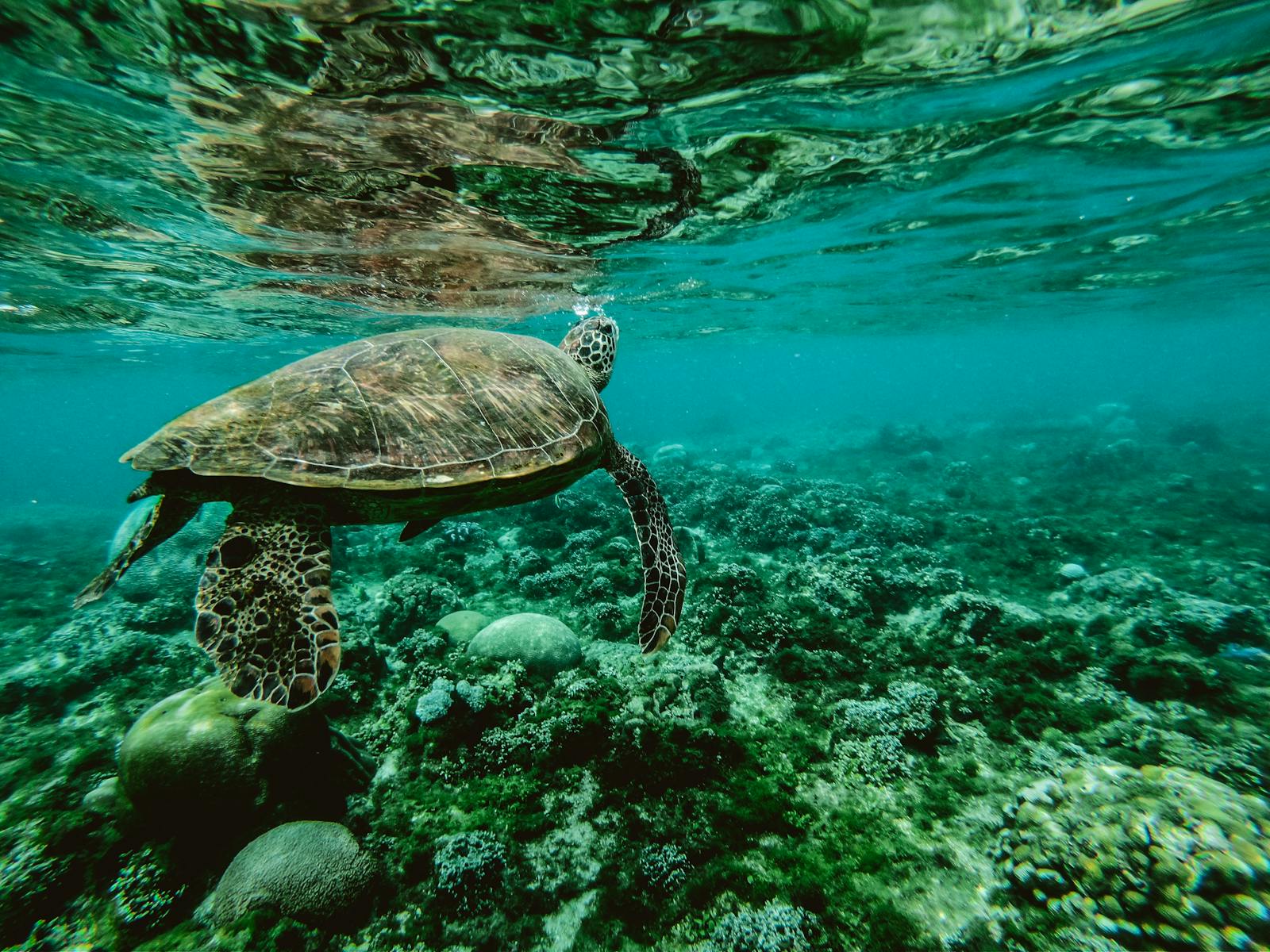
One of the better places to start when you want conservation status, specialist context, and a sense of which reptile issues are globally important.

Useful if you want a grounded look at species recovery, habitat acquisition, outreach, and long-term work that is more specific than generic conservation messaging.
Strong starting point for readers who want to understand beach monitoring, nest protection, migration work, and how public education links to real protection efforts.
Keep a broad field guide nearby for taxonomy, range, and quick orientation when a species page sparks a deeper question.
These are useful when you want more than keeper advice and need habitat context, population pressure, or broader conservation framing.
Best for readers who want to move from generic reptile enthusiasm into better observation, handling boundaries, and enclosure logic.
Most readers do not need a giant tool stack. A small set of reliable tools usually goes further than an overbuilt workflow.
The next upgrade is to surface more location-specific organizations and field guides instead of treating all readers as global-generalists.
More direct links from species pages into the right organizations, books, and tools would make the library feel more connected.
Starter reading and resource packs for beginner owners, field observers, and educators would turn this page into a more useful working hub.