Stable setup requirements
The animal should not require a fragile, constantly drifting environment just to stay on track.
Beginner route
A reptile is beginner-friendly only if the setup, daily routine, handling expectations, and long-term size are actually realistic for the person keeping it. This page is meant to make that trade-off clearer.
Best use:
Start here if you want a first reptile or need a more honest way to compare “easy” species.
Main rule:
Do not confuse small, common, or cheap with genuinely easy.
The animal should not require a fragile, constantly drifting environment just to stay on track.
New keepers do better when they can notice appetite changes, stress, and routine problems before they become serious.
Beginner-fit does not mean tiny, but it does mean the eventual space demand should be honest and achievable.
Feeding complexity, vet access, legal restrictions, and lifespan still matter even when a species looks easy at first glance.

Often a good route if you want visible basking behaviour, straightforward feeding, and a setup that is easier to inspect day to day.

Often a good route if you want simpler enclosure clutter, predictable feeding structure, and less constant visual complexity than some lizard setups.
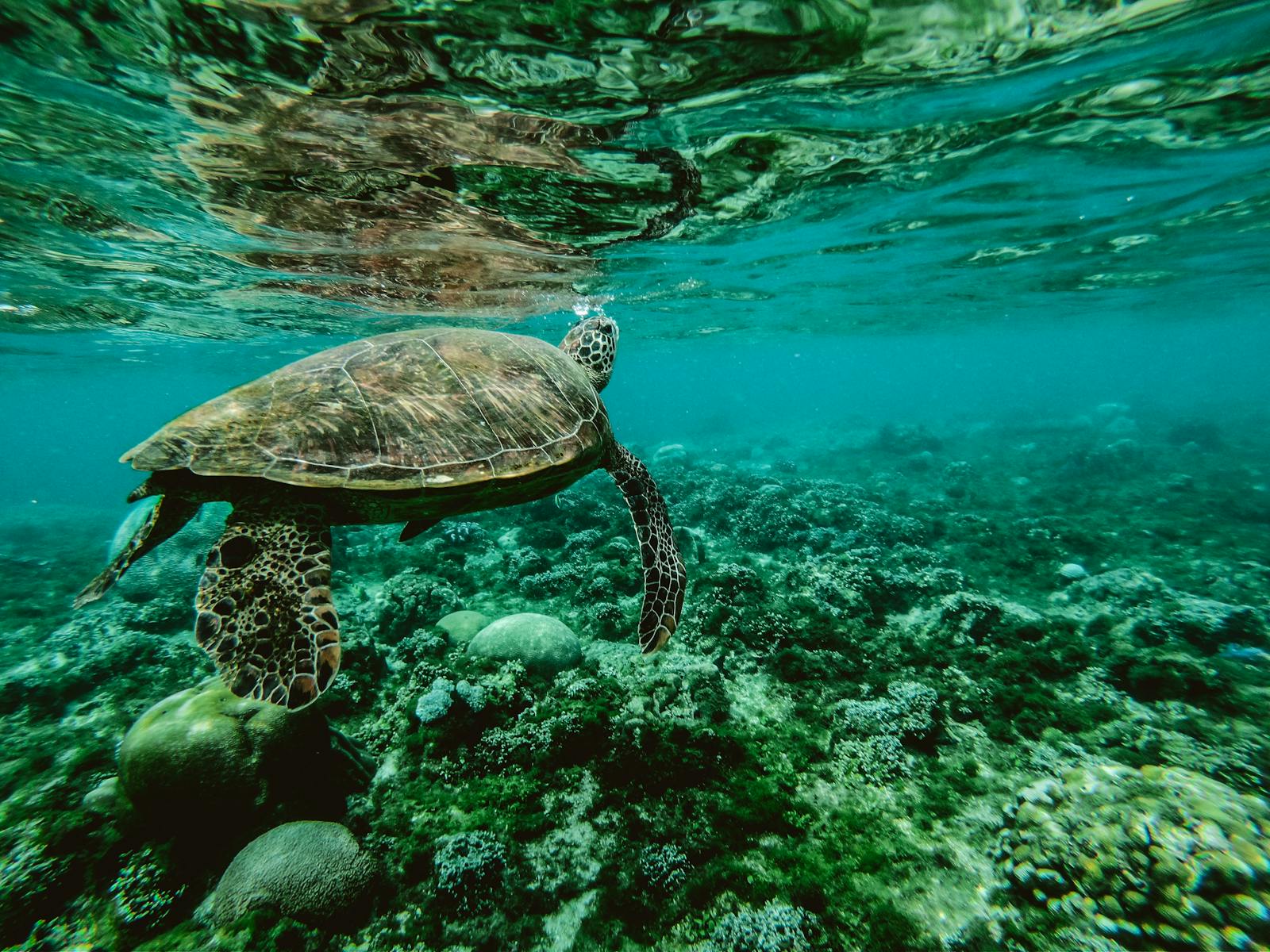
Popular with beginners, but often underestimated because filtration, haul-out design, water quality, and long-term size create more work than people expect.
A striking species can still be a poor first reptile if its heat, humidity, size, or feeding demands are hard to maintain consistently.
Juvenile size hides a lot. Always compare the adult enclosure reality, not the shop display reality.
Many reptiles are better observed than handled. A good first reptile is not automatically a cuddly or social animal.
A useful beginner comparison when people want a smaller lizard with straightforward day-to-day visibility and simpler handling expectations than larger species.
A good route candidate when the reader wants a calmer snake comparison with simpler enclosure clutter and readable routine management.
Useful as a reality check, because popularity does not cancel out the long-term footprint and adult-size problem.
Once the beginner-fit question is clearer, use the rest of the site to compare actual species and the environments they need.