By enclosure shape
Some reptiles need height, some need floor space, some need water volume, and some need deep retreat structure.
Comparison routes
This page is meant to turn broad reptile browsing into clearer starting paths. Instead of scrolling hundreds of names, readers can compare reptiles by setup pressure, habitat style, water needs, and beginner-fit.
Best use:
Start here when you know the kind of reptile question you have, but not the exact species yet.
Main rule:
Compare the practical demands first, then use the species library for the finer detail.
Some reptiles need height, some need floor space, some need water volume, and some need deep retreat structure.
Some animals are simple to observe but demanding to set up, while others are forgiving to house but easier to misread when something goes wrong.
Dryland, arboreal, burrowing, and semi-aquatic reptiles often look less confusing once the environment type leads the comparison.
Handling tolerance, size, legality, longevity, and access to veterinary support all change what “good fit” really means.

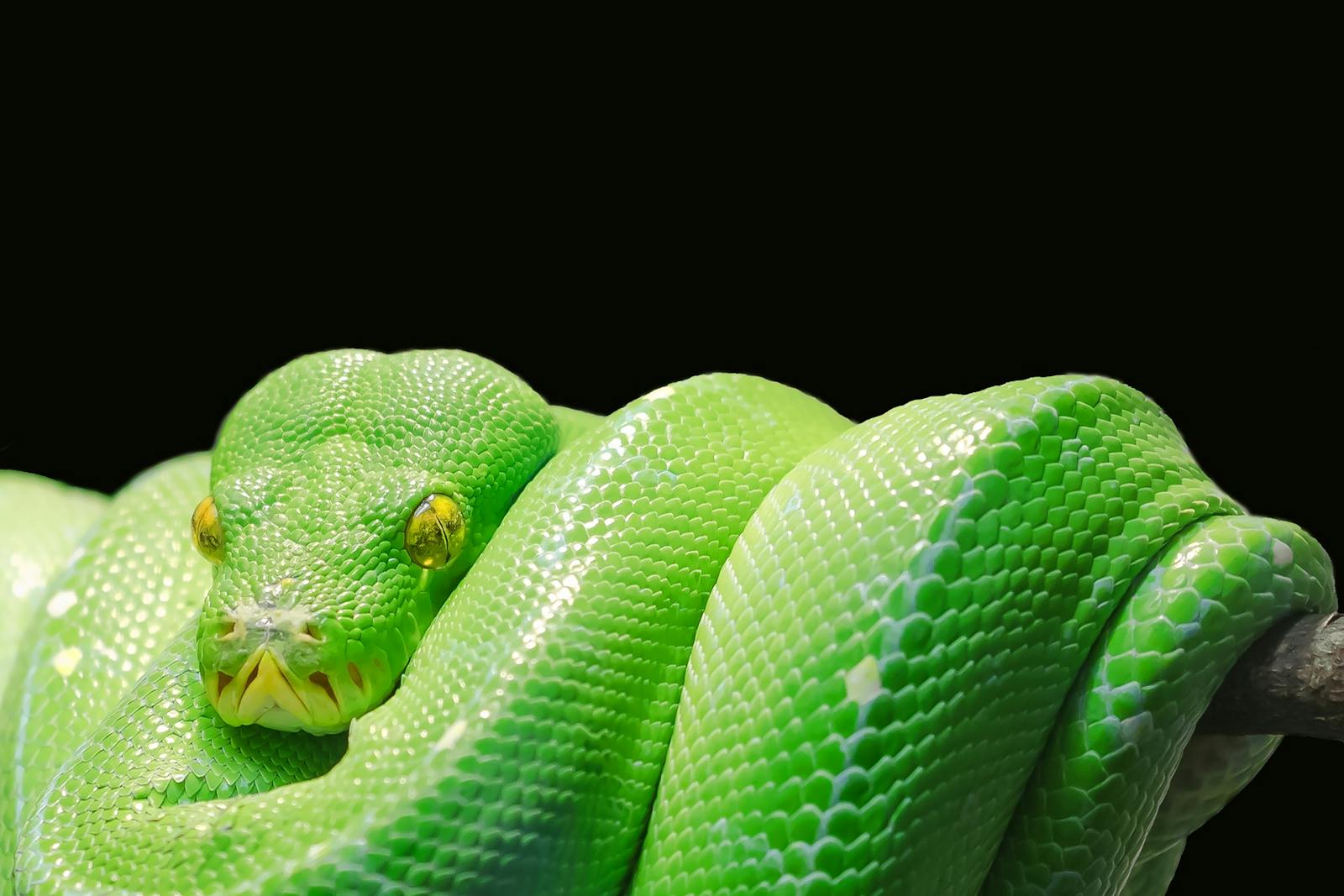
Use this route if you are comparing reptiles where branch structure, canopy cover, humidity balance, and usable height matter most.
Use this route if heat management, basking surfaces, retreat zones, and exposure swings are the main concern.
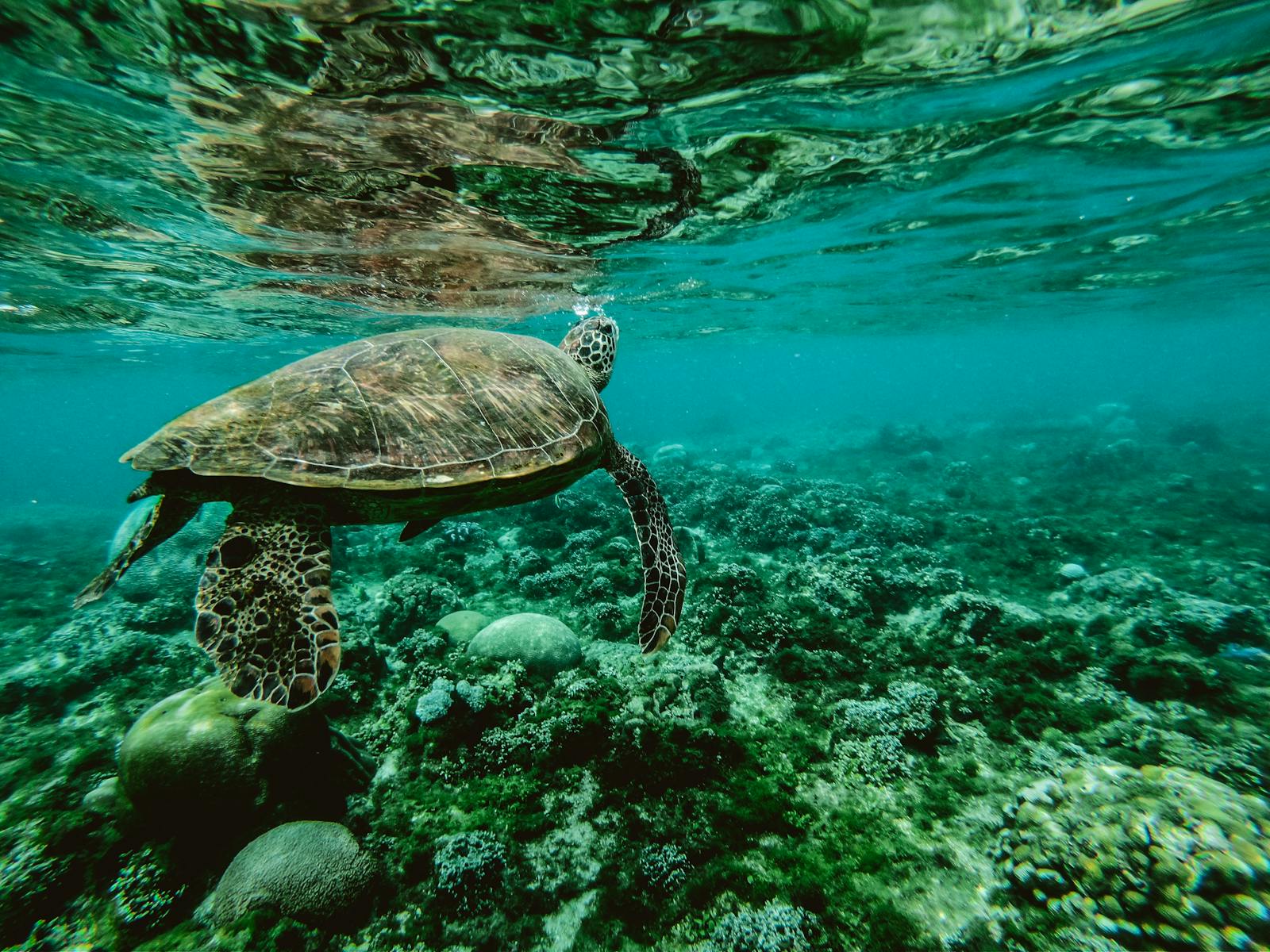
Use this route if filtration, haul-out space, shoreline use, or long-term water maintenance are the real deciding factors.
Compare reptiles by handling expectations, enclosure footprint, diet complexity, and how much routine drift they tolerate.
Help readers understand when compact size still hides difficult environmental needs, and when larger reptiles are simply unrealistic.
Let readers start from the environment they can realistically build rather than from the species they happen to see first.
This page works best as a route selector. Once the comparison frame is clear, the species library and care hub become much more useful.