Usable basking surfaces
Heat has to land in the right places, at the right intensity, with nearby options to step down safely.
Dryland route
This route is for reptiles where basking surfaces, retreat shade, substrate depth, and sensible day-night swings matter more than humidity-heavy or water-heavy enclosure design.
Best use:
Start here if you are comparing reptiles tied to arid, rocky, scrub, or open dryland habitats.
Main rule:
A good dry setup balances exposure and retreat. It should never feel like a hot empty box.
Heat has to land in the right places, at the right intensity, with nearby options to step down safely.
Dryland reptiles still need hides, shade, and cooler shelter that make the hot zone optional rather than mandatory.
Open desert, packed earth, rocky ledges, and burrowing conditions are not interchangeable just because they look dry.
The best dryland setups reflect the change between active exposure and recovery periods, not permanent daytime intensity.
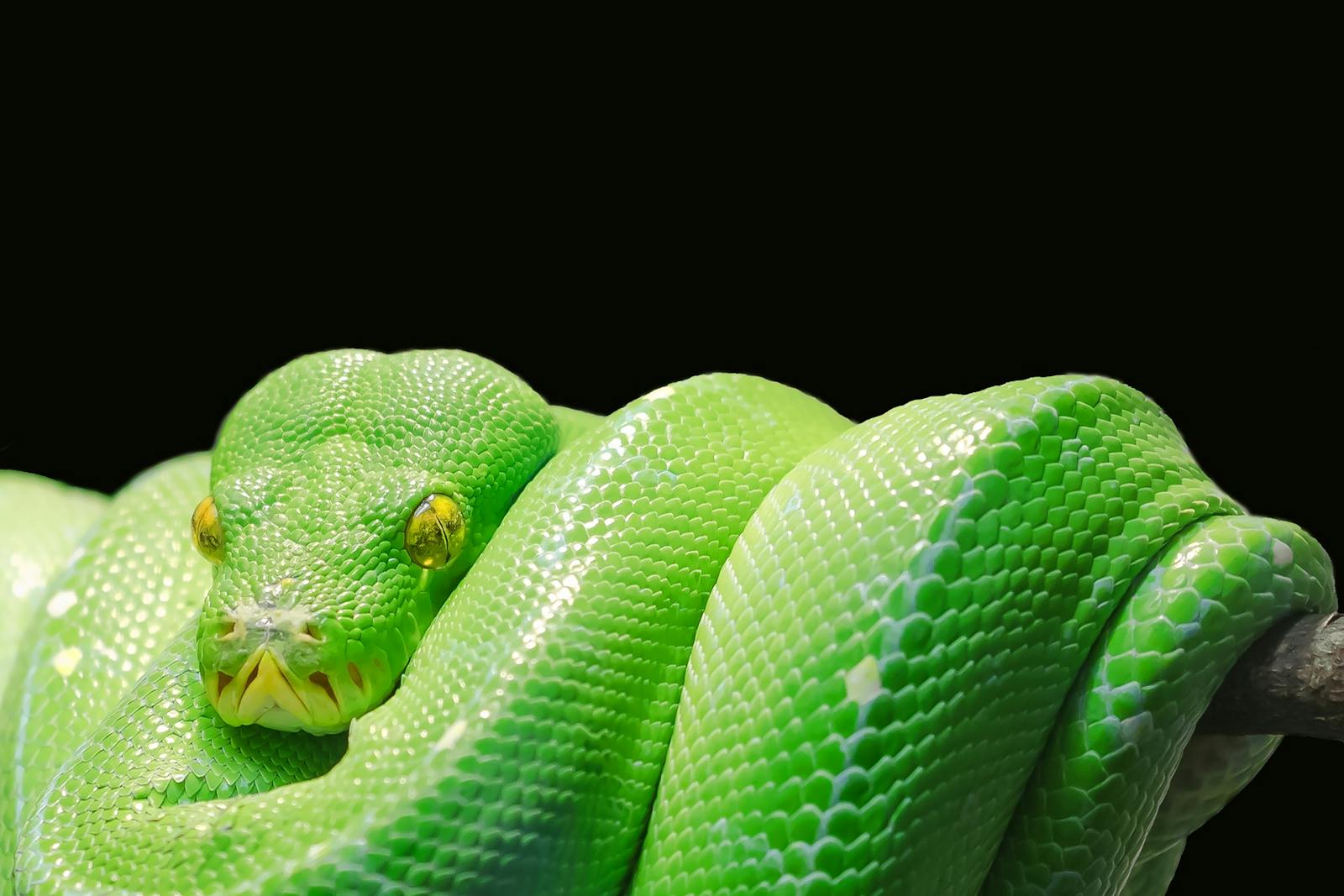
Best when visible basking behaviour, surface heat, and exposed movement patterns are part of the core husbandry logic.
Useful when the setup has to balance open heat with secure underground or low-cover retreat behaviour.
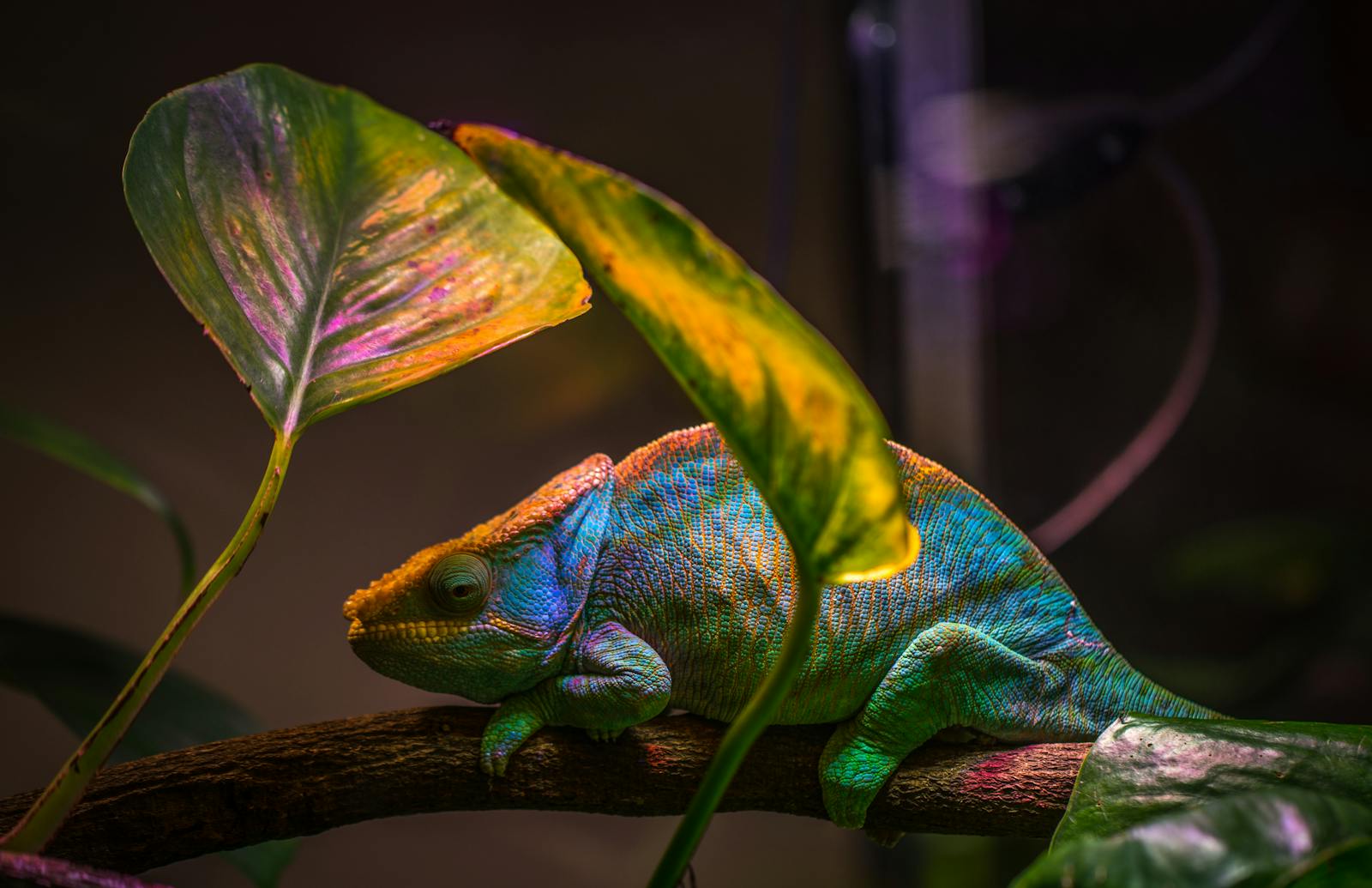
Good when readers assume dry species are always easy, but still need help comparing the real workload and enclosure detail.
If the entire enclosure feels like one bright hot zone, the reptile loses control over how it uses the space.
Dryland does not mean barren. Texture, shelter, dig options, and route choices still matter.
Dry species can still be demanding when basking precision, diet, growth, and environmental drift are not watched properly.
A useful dryland comparison for adult footprint, grazing behaviour, and how “hardy” does not mean small or simple.
A better route example for active basking, digging, and structured dryland enclosure use without pretending every arid reptile is the same.
Helpful when comparing basking surfaces, exposed movement, and the role of rock structure rather than just sand-heavy assumptions.
Once the dryland route makes sense, the next job is comparing specific species and testing whether the enclosure style is realistically manageable.