Handling gets overvalued
People often choose reptiles as if calm hand interaction is the default goal, when observation is often the better fit.
Observation-first route
This route is for readers who need a clearer handling reality. Many reptiles are rewarding because of behaviour, basking patterns, movement, or display presence, not because they enjoy being picked up.
Best use:
Start here if you want a reptile that is interesting to observe but should not be judged by handlability alone.
Main rule:
A low-handling reptile is not a worse reptile. It just needs the right expectations.
People often choose reptiles as if calm hand interaction is the default goal, when observation is often the better fit.
Reptiles that freeze, retreat, hide, gape, thrash, or stop feeding are often communicating more clearly than beginners realize.
When the enclosure is built for visibility, security, and natural movement, observation-first reptiles often become more rewarding, not less.
Behaviour, posture, basking rhythm, climbing routes, and habitat use are often the main appeal, not direct contact.

Best for keepers who enjoy posture, climbing, colour, and habitat use more than routine interaction.

Useful when the real value is watching movement, cover use, and feeding behaviour rather than frequent contact.
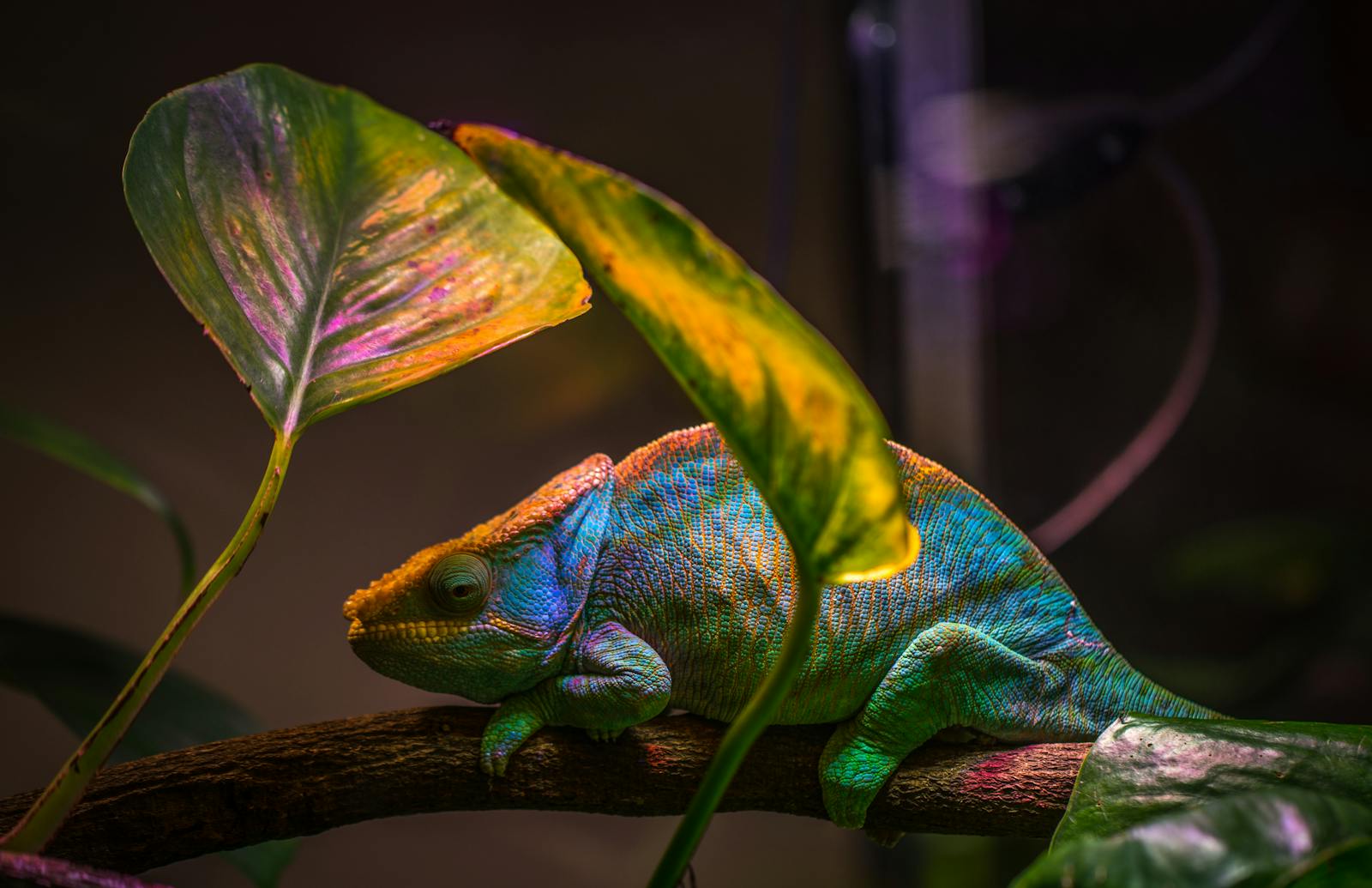
Good route when the keeper wants a more naturalistic setup and is happy to let the reptile stay in control of contact.
Many problems start when the keeper keeps testing the animal instead of letting it settle and use the enclosure on its own terms.
If the reptile feels exposed all the time, observation quality usually gets worse, not better.
A species can be fascinating, visible, and rewarding without being a hands-on animal.
Useful here as a clean reminder that some reptiles are compelling because of behaviour and posture, not because they suit routine handling.
A stronger observation-first comparison for readers who want to watch branch use, cover behaviour, and subtle movement rather than force interaction.
Helpful as a reality check for people who confuse fascination with a species and practical handling suitability.
Once the handling expectation is honest, the next step is choosing species and enclosures that fit that reality instead of fighting it.