Offer usable climbing paths
A tall enclosure with poor branch spacing still fails if the reptile cannot move naturally between secure positions.
Vertical route
This route is for reptiles where climbing structure, perch security, cover layers, and usable height matter more than simple floor area. It is one of the easiest setup differences for beginners to underestimate.
Best use:
Start here if you are comparing reptiles that live on branches, trunks, bark, vines, or layered forest cover.
Main rule:
Height alone is not enough. Vertical reptiles need structure they can actually use.
A tall enclosure with poor branch spacing still fails if the reptile cannot move naturally between secure positions.
Arboreal species often need better vertical ventilation and humidity control than people expect, not just more mist.
Visual cover, bark texture, shaded retreats, and hidden routes are often part of what makes the height usable at all.
The basking and UVB logic has to work in three dimensions, not just at floor level or one random top branch.

Best for species that actually spend time above ground and rely on branch angles, bark texture, and layered movement.
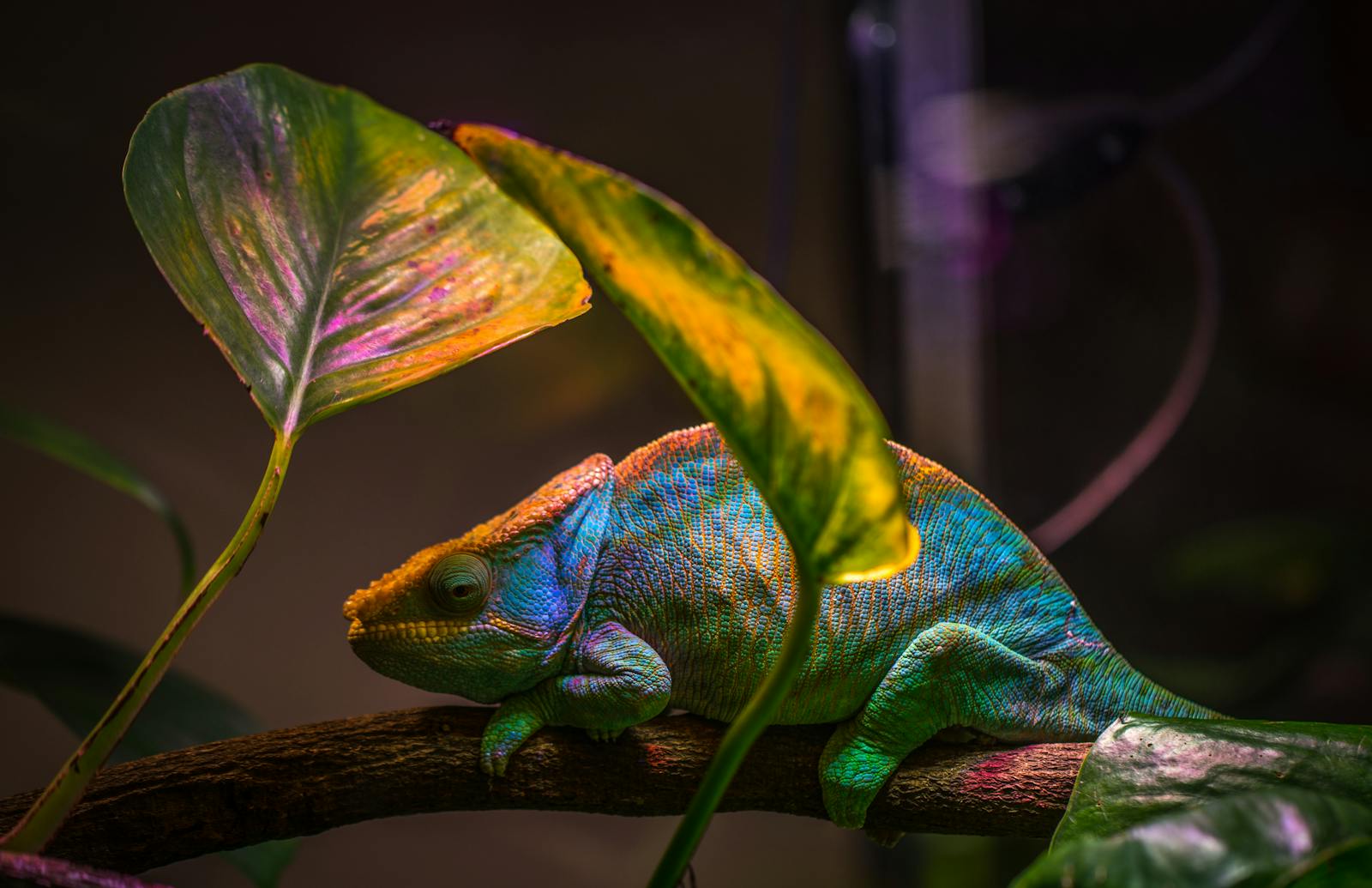
Useful for reptiles that regulate heat and security from elevated positions rather than exposed ground surfaces.
Good route when branch use, vertical retreat, and secure elevated cover all matter more than floor clutter.
Adding empty height is not the same as building a usable vertical environment. Branch density and route logic matter.
If every useful heat or light source sits in one exposed zone, the enclosure is still limited and stressful to use.
Humidity problems are often solved by smarter structure, plant cover, airflow, and retreat zones, not just spraying harder.
Useful here as a pure structure-and-cover example, even if it is obviously not a casual keeper choice.
A better example for readers who want to compare smaller branch-using reptiles with real arboreal logic.
Useful as a contrast page, because not every active reptile is best served by a strongly vertical setup.
Once the vertical-setup question is clear, the next step is usually to compare the specific reptiles that fit that structure well.