Filtration is core, not optional
Water-heavy reptiles quickly turn a weak setup into a hygiene problem, especially when feeding, waste, and stagnant zones pile up.
Water-heavy route
This route is for turtles, crocodilians, and other reptiles where water quality, depth, haul-out access, and shoreline design are not side details, they are the main job.
Best use:
Start here if you are comparing reptiles that spend serious time in or around water.
Main rule:
Do not judge these setups by animal size alone. Water maintenance changes everything.
Water-heavy reptiles quickly turn a weak setup into a hygiene problem, especially when feeding, waste, and stagnant zones pile up.
Aquatic reptiles still need safe dry access for basking, rest, and full body use outside the water.
Some species need more swim depth, some need shallows and ramps, and many need both.
If the keeper cannot realistically maintain the water, the species is not a good fit, no matter how attractive it looks.
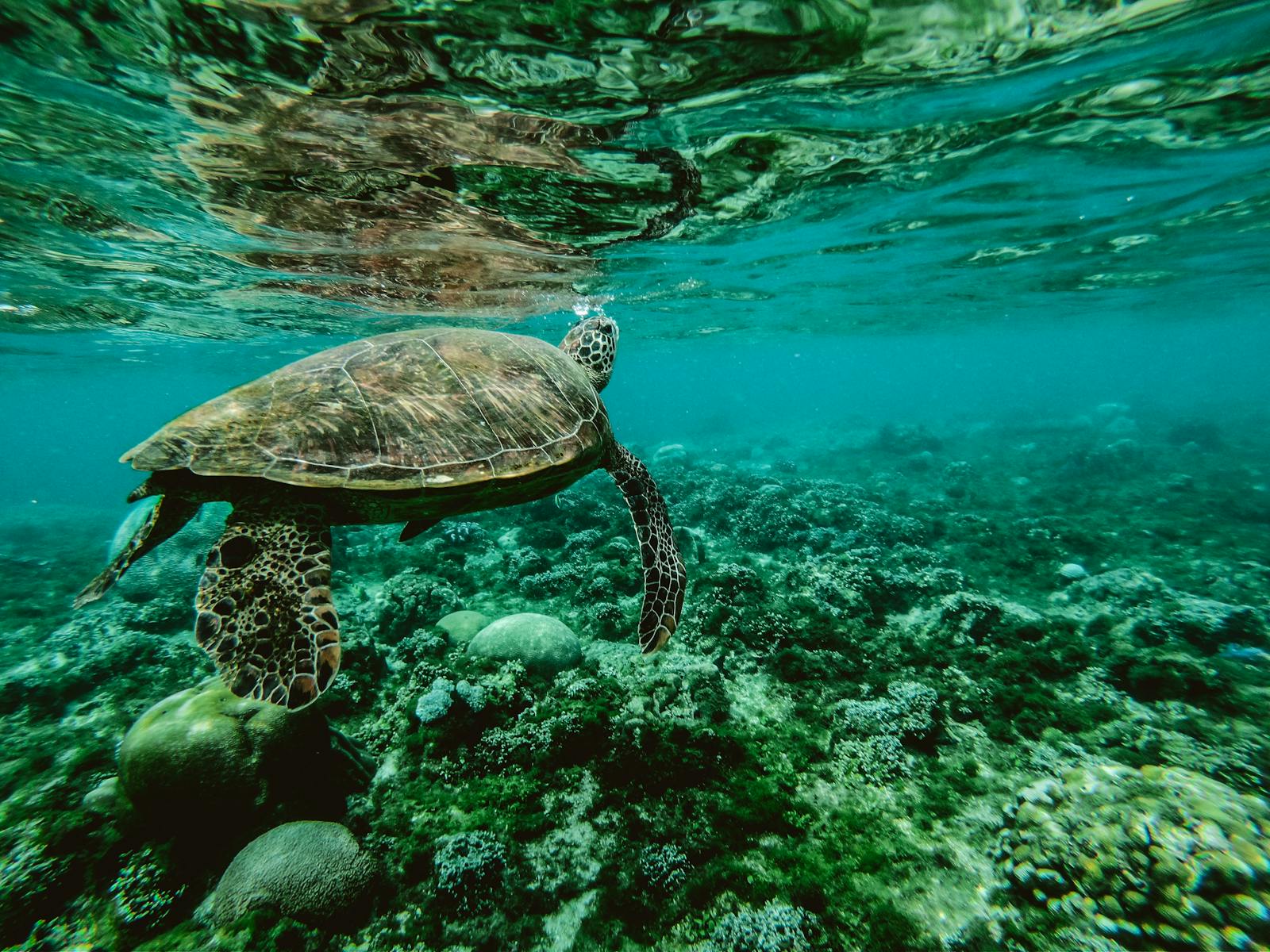
Best when filtration, basking docks, haul-out access, and water depth are the main decisions.
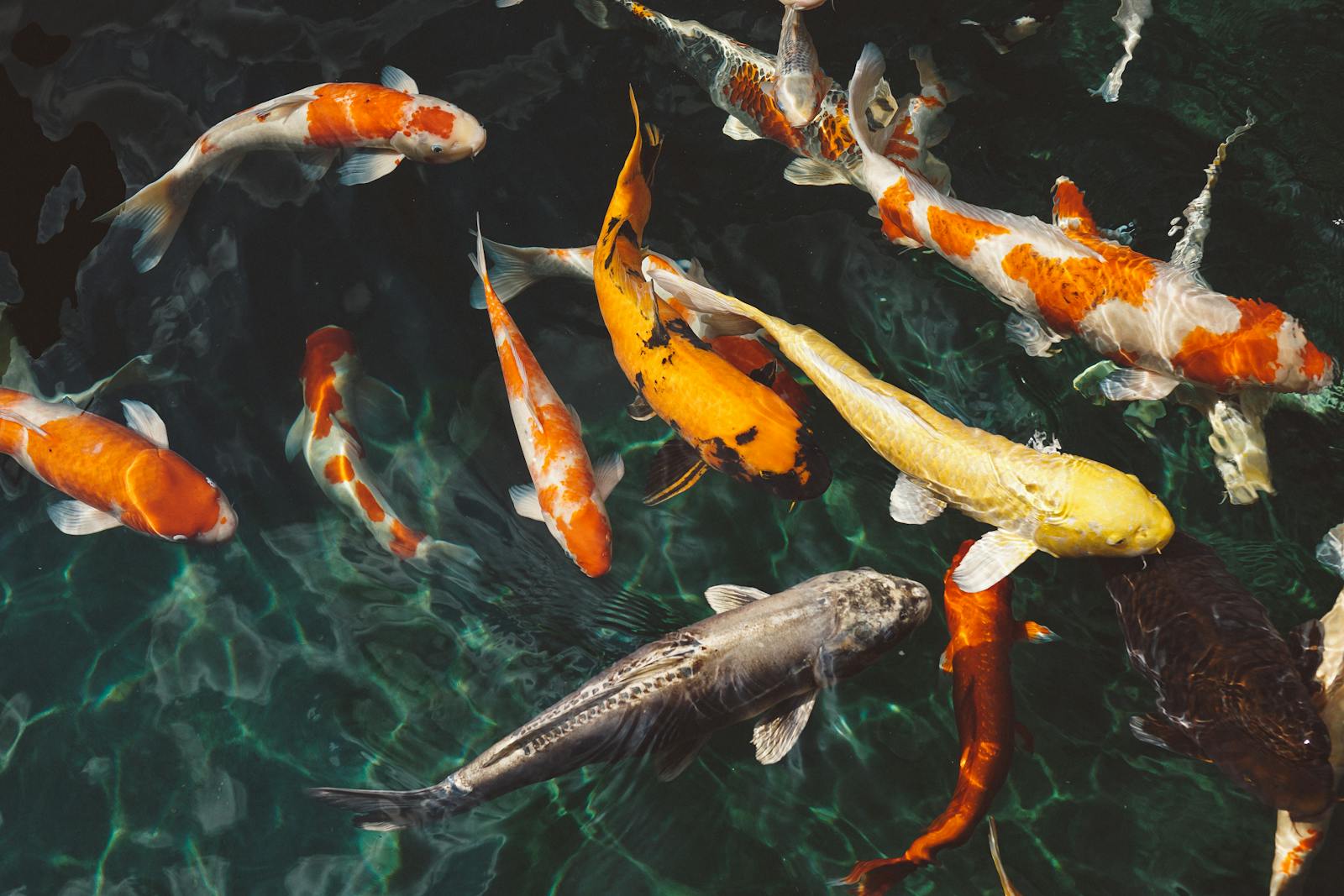
Useful when the reptile uses both land and water enough that shore structure becomes as important as the pool itself.
Good route when adult size, stronger filtration load, and serious enclosure footprint turn the setup into a long-term project.
Many beginners focus on the animal and forget that the enclosure is also a filtration and maintenance system.
Some species need more useful dry structure than a token platform under a heat lamp.
Water-heavy reptiles often become harder through scale, not just through temperament or complexity.
A strong example for comparing swim-heavy setups, haul-out logic, and the difference between water volume and actual usable water design.
Useful as a contrast species because smaller turtles can still carry real filtration and maintenance demands.
A good reality-check page for scale, waste load, and why some water-linked reptiles are not remotely casual long-term fits.
Once the water-heavy route makes sense, the next step is to compare actual species and their long-term enclosure demands more honestly.