Adult enclosure footprint
The space a reptile needs over the long term is often the real decision, not the size of the animal on the day it is purchased.
Space route
This route is for the question people often avoid asking honestly: does the adult reptile actually fit the space, the enclosure footprint, and the long-term maintenance reality available to the keeper?
Best use:
Start here if space, enclosure footprint, or room layout is one of the main constraints.
Main rule:
Judge the adult setup, not the juvenile display size.
The space a reptile needs over the long term is often the real decision, not the size of the animal on the day it is purchased.
Some reptiles need room because they climb, roam, swim, or thermoregulate across space, not just because they are physically large.
Bigger space often means more substrate, stronger lighting, more water, heavier cleaning, and harder upgrades later.
It helps to compare what fits in theory against what actually fits in a bedroom, office, living room, or dedicated animal space.
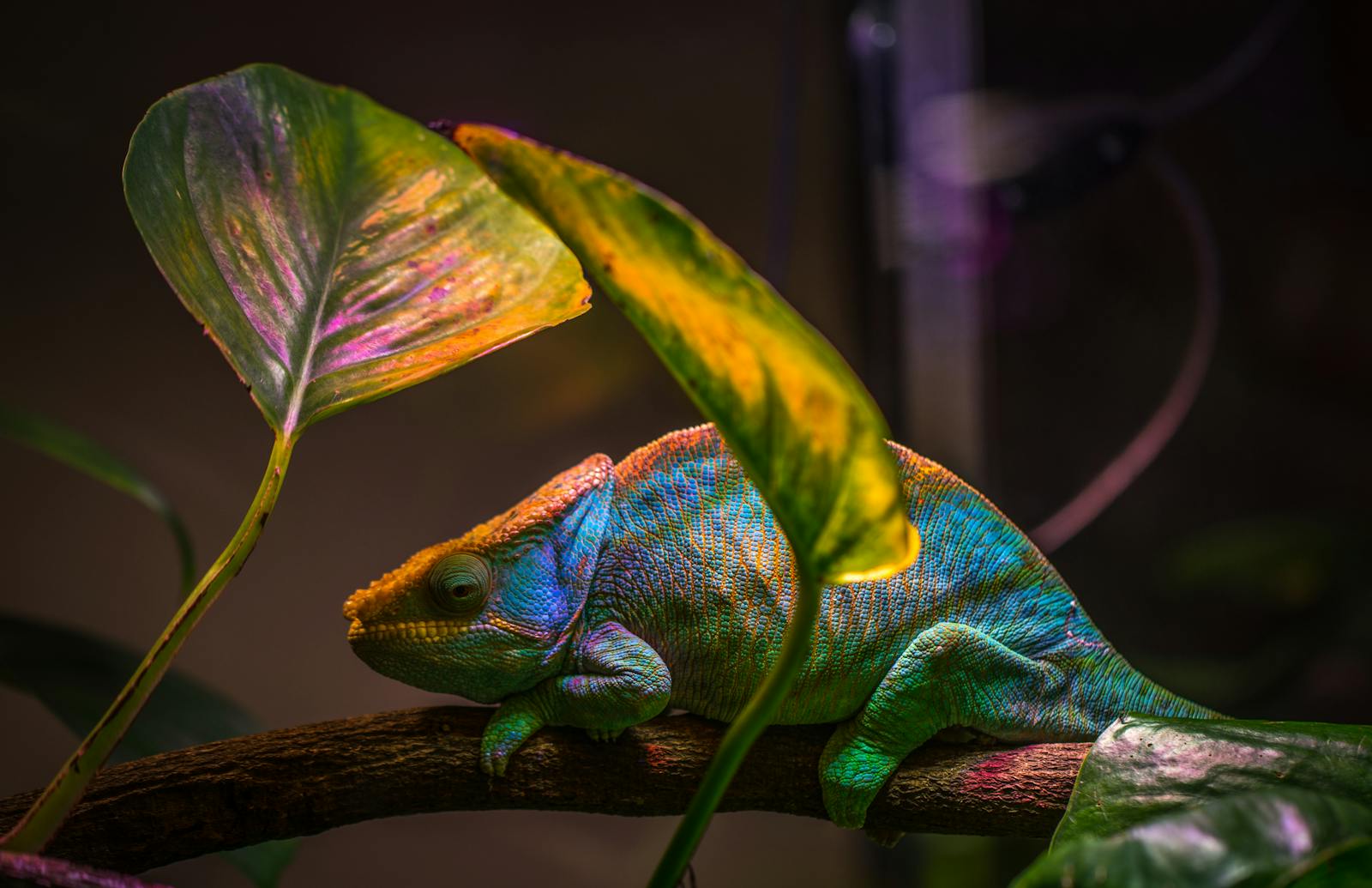
Some reptiles stay compact but still need height, retreat layers, deep substrate, or richer microclimates than a “small pet” label suggests.
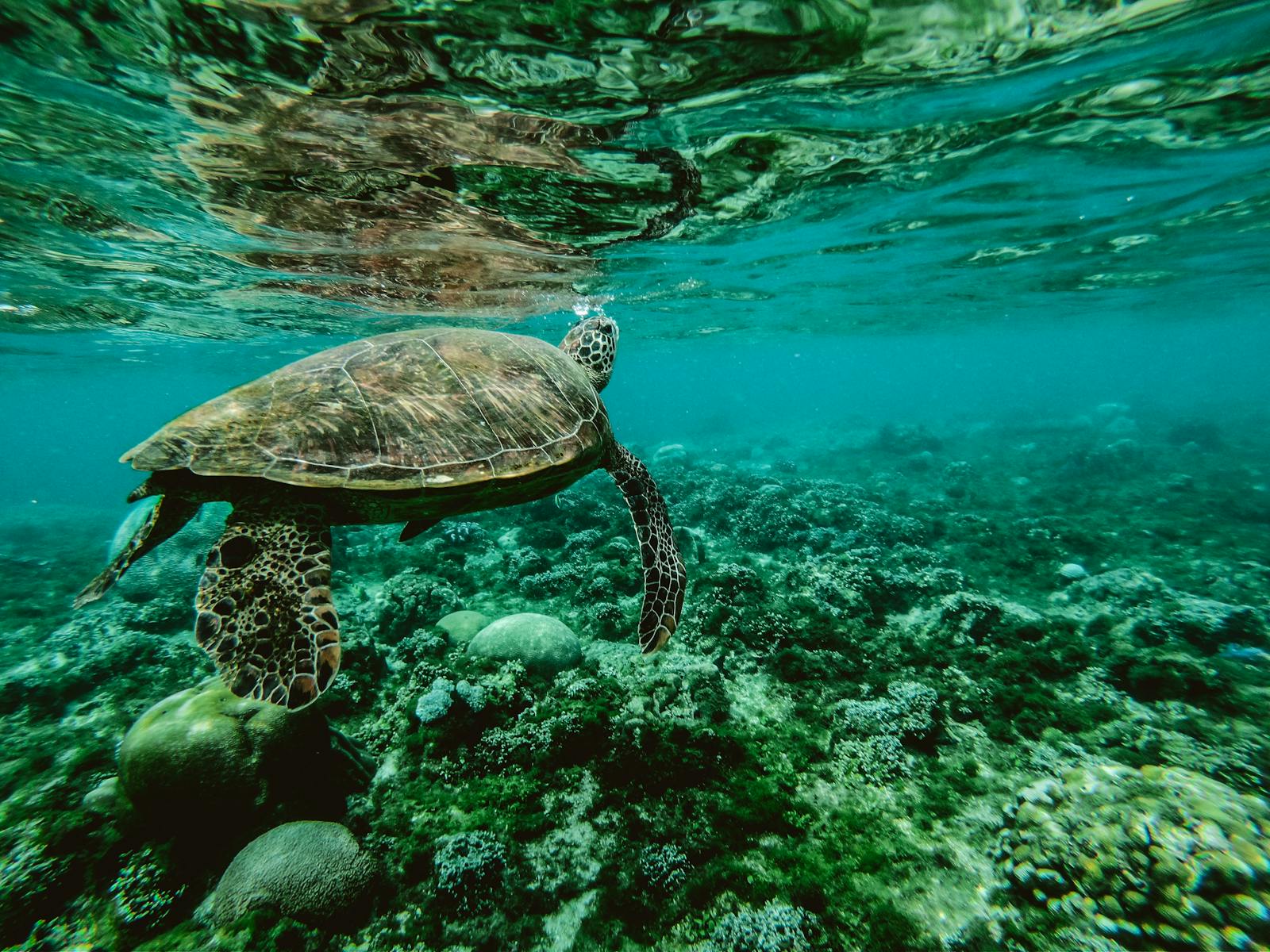
These often look manageable at first, but the real footprint expands through filtration, haul-out structure, and adult water volume.
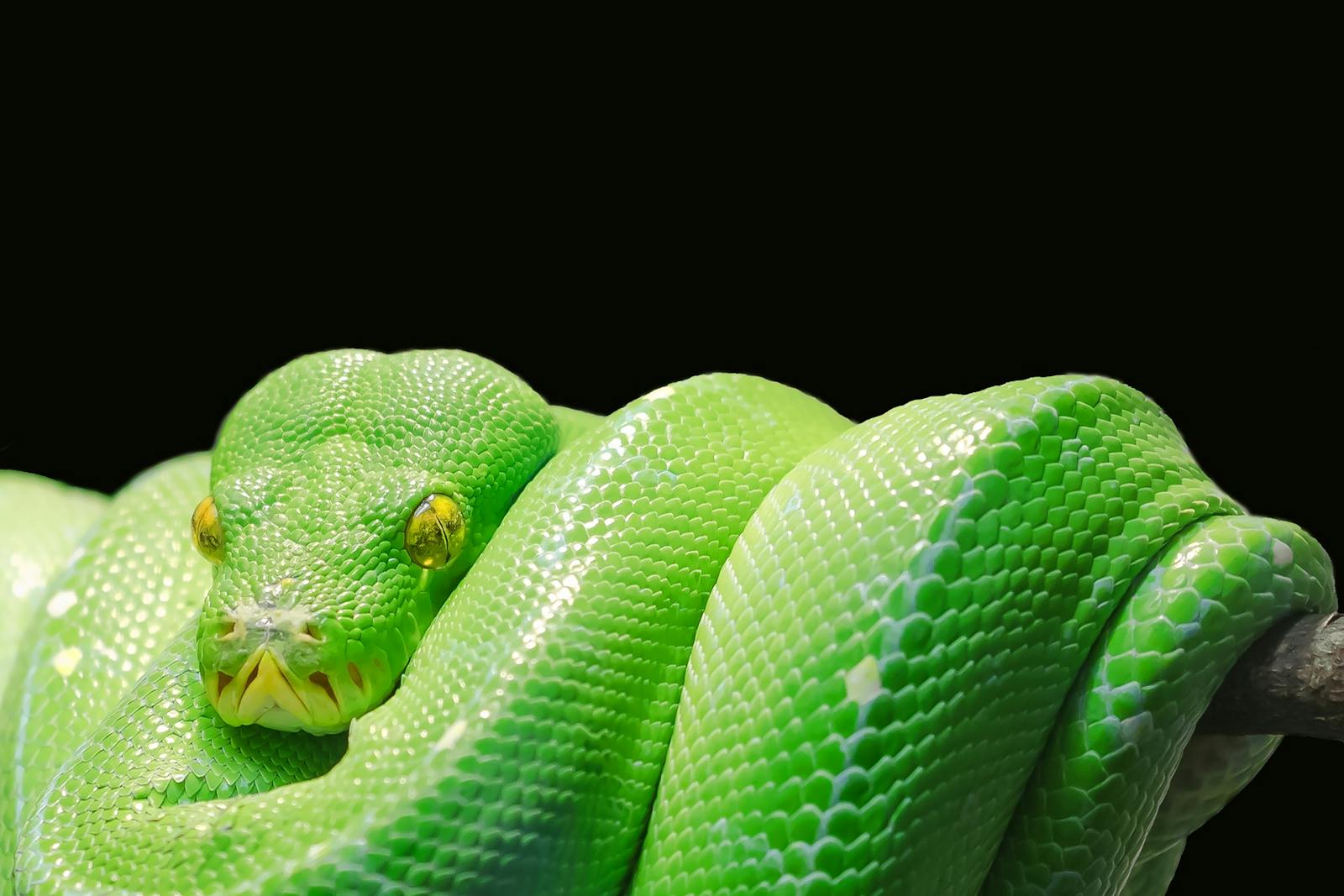
Good route when the real question is not temperament, but whether the keeper can support a strong long-term floor footprint.
Room measurements, access, cleaning space, and nearby power or water often decide more than enthusiasm does.
Many reptile mistakes begin with “we can upgrade later” without a realistic plan for when, where, or how that happens.
A good fit depends on space, time, heat load, cleaning effort, and how much of the home the reptile is allowed to claim.
Useful for the compact end of the comparison, especially when readers want to understand how a smaller species can still need thoughtful setup rather than tiny assumptions.
A strong contrast page because it makes the long-term space problem obvious instead of theoretical.
Helpful when the space question expands beyond floor area into water volume, maintenance load, and sheer enclosure scale.
Once the space question is clearer, the next job is comparing actual species that fit the same footprint reality.